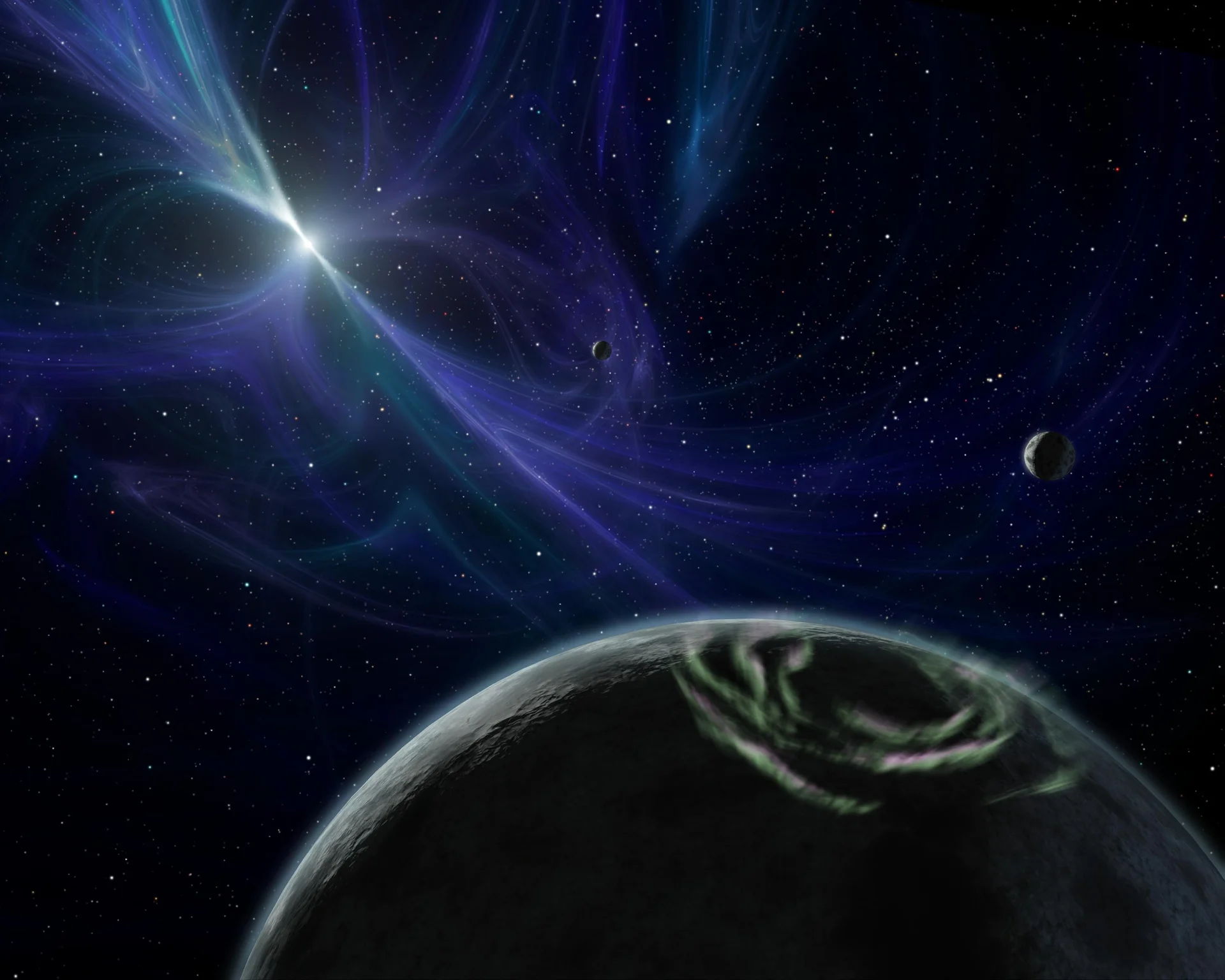
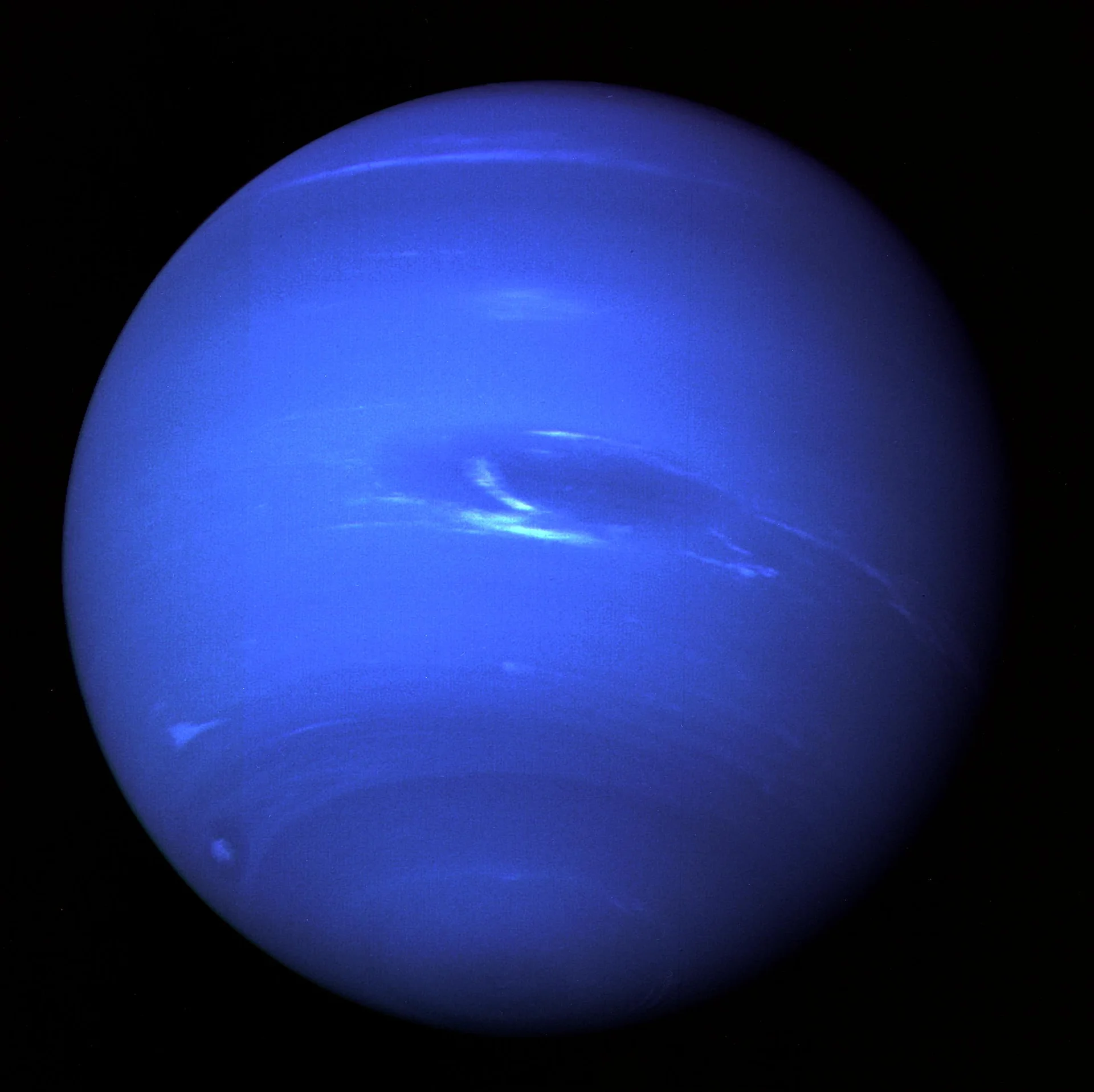
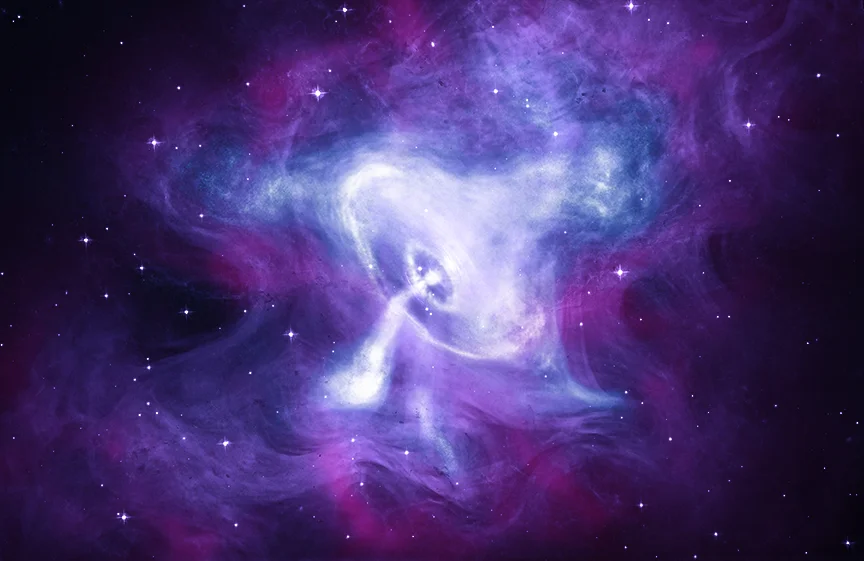
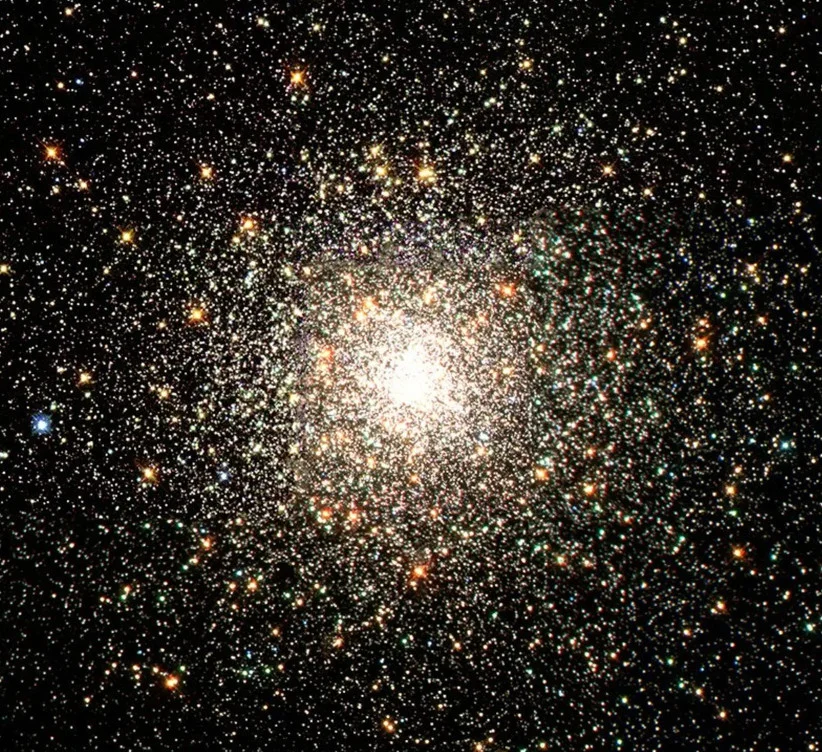
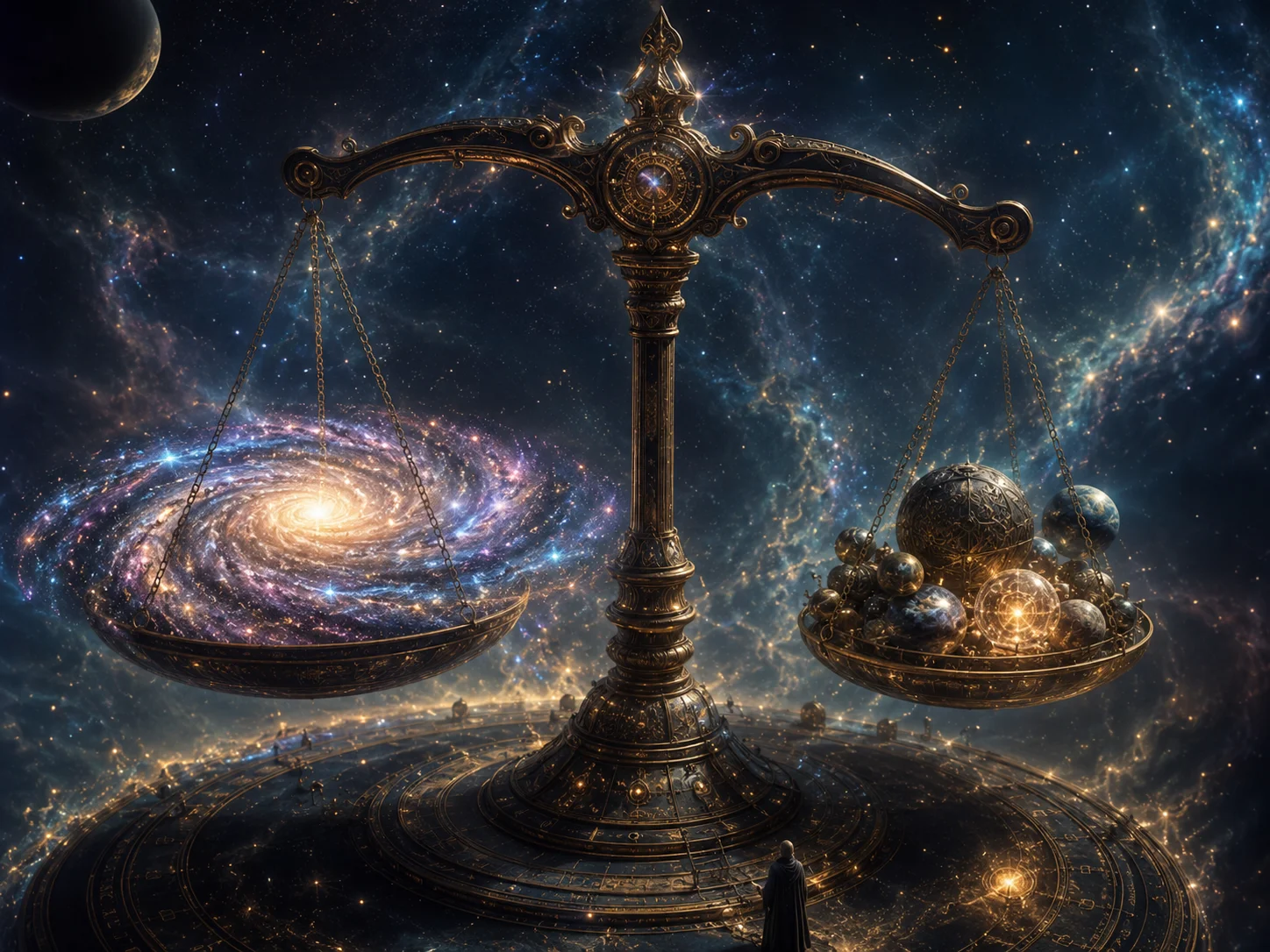
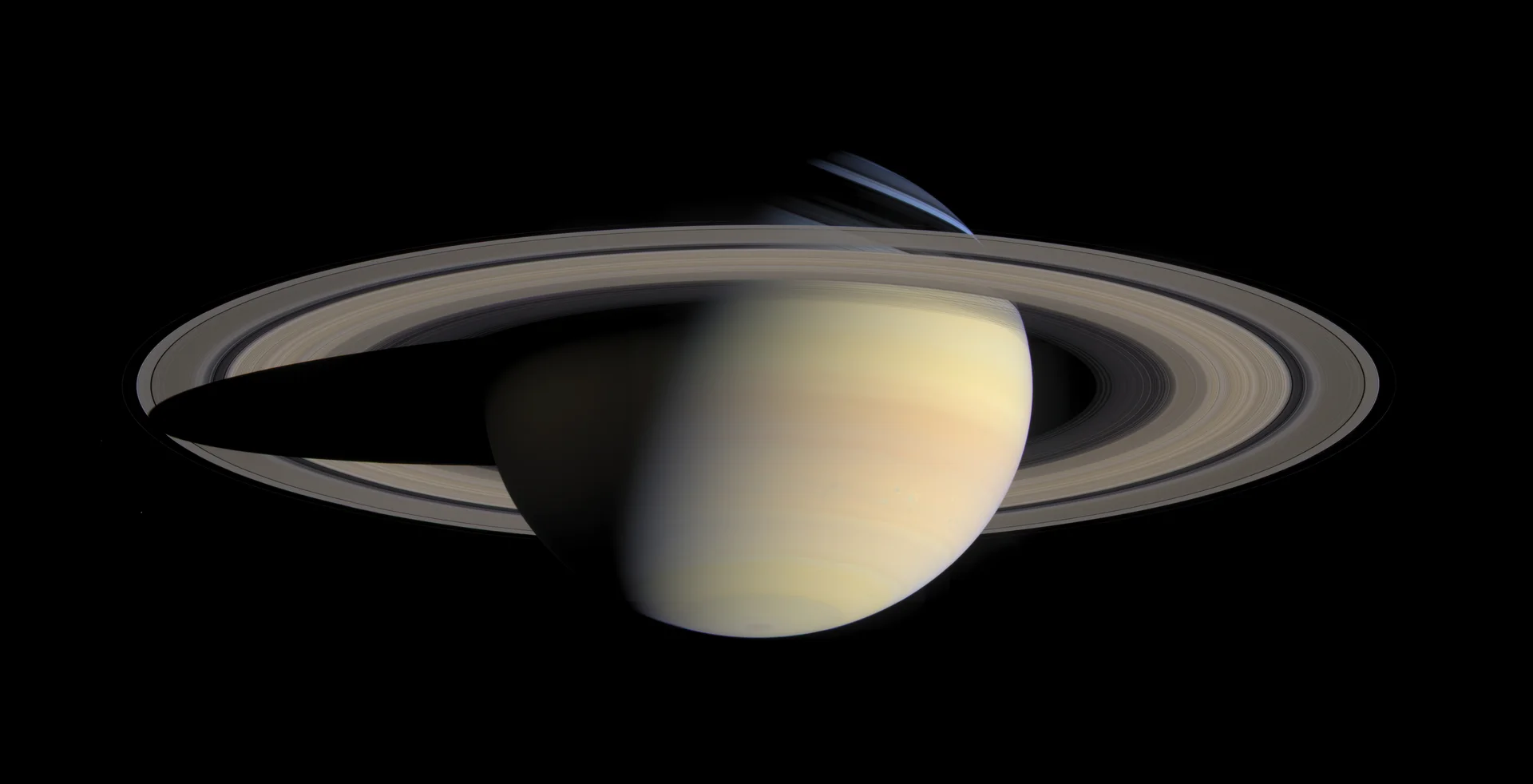
tag #gravitation 6 reading cards on “gravitation”, in chronological order. Part of the full archive. 2026-05-15 Binary Pulsars Clocks in motion, watched by clocks — and sometimes, mid-experiment, the clock turns away. A pulsar locked in orbit with another compact body becomes a moving timepiece whose ticks can be tracked to nanoseconds. That precision is what makes binary pulsars the most demanding laboratory we have for gravity — and what occasionally reveals that one of them has stopped pointing at us. 2026-05-14 Neptune The planet that was found with the point of a pen. In the summer of 1846, a French mathematician who had never looked through a telescope wrote a letter to Berlin, telling a German astronomer exactly where to point one. That night, a new planet appeared — within one degree of the predicted position. It was the first world in history discovered not by sight, but by pure mathematics. 2026-05-12 The First Pulsar A signal that should not have existed. In the summer of 1967, a twenty-four-year-old graduate student in Cambridge found a rhythm buried in the radio noise — sharp, cold, perfectly repeating every 1.337 seconds. For weeks, no one could explain it. They half-jokingly labelled it LGM-1: Little Green Men. 2026-05-07 Stellar Collisions When stars meet — violently. A direct hit between two stars is exceedingly rare in the disc of the Galaxy. In the dense cores of globular clusters, it is routine. 2026-05-07 How Much Does a Galaxy Weigh? The question is poorly posed — and the answer is stranger than the question. There is no scale large enough to weigh a galaxy. The methods we have invented instead reveal that most of the answer is something we cannot see. 2026-05-07 How Saturn Got Its Rings A lost moon, a broken resonance, and a planet that devoured its own child. The rings of Saturn look ancient and are not. Two unrelated mysteries about the planet — their youth and its tilt — turn out to share a single, violent answer.