archive

All cards

27 reading cards on astronomy and astrophysics. One self-contained explanation at a time, in chronological order.
  1. 2026-05-15

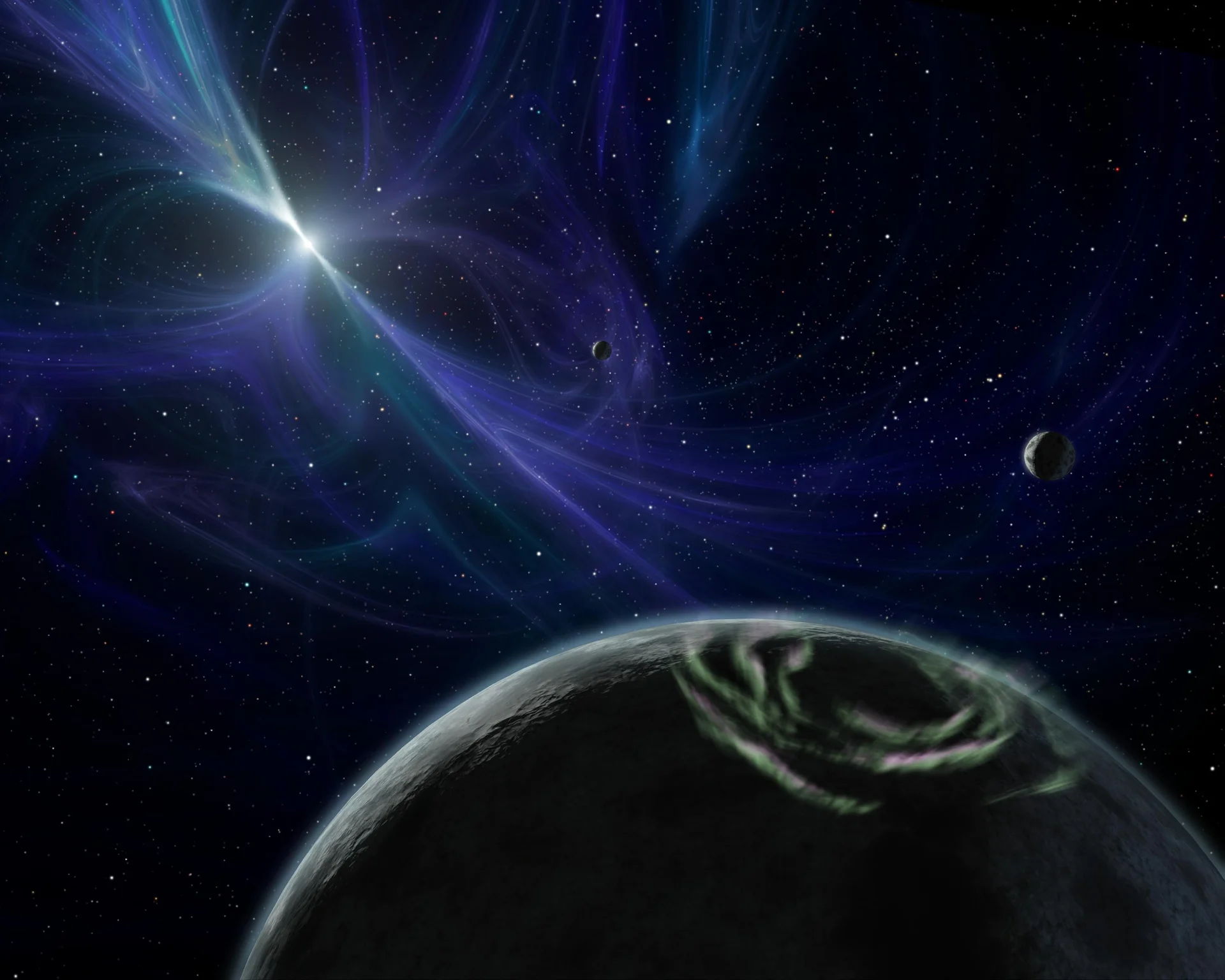
    Binary Pulsars

    Clocks in motion, watched by clocks — and sometimes, mid-experiment, the clock turns away.

    A pulsar locked in orbit with another compact body becomes a moving timepiece whose ticks can be tracked to nanoseconds. That precision is what makes binary pulsars the most demanding laboratory we have for gravity — and what occasionally reveals that one of them has stopped pointing at us.

  2. 2026-05-14

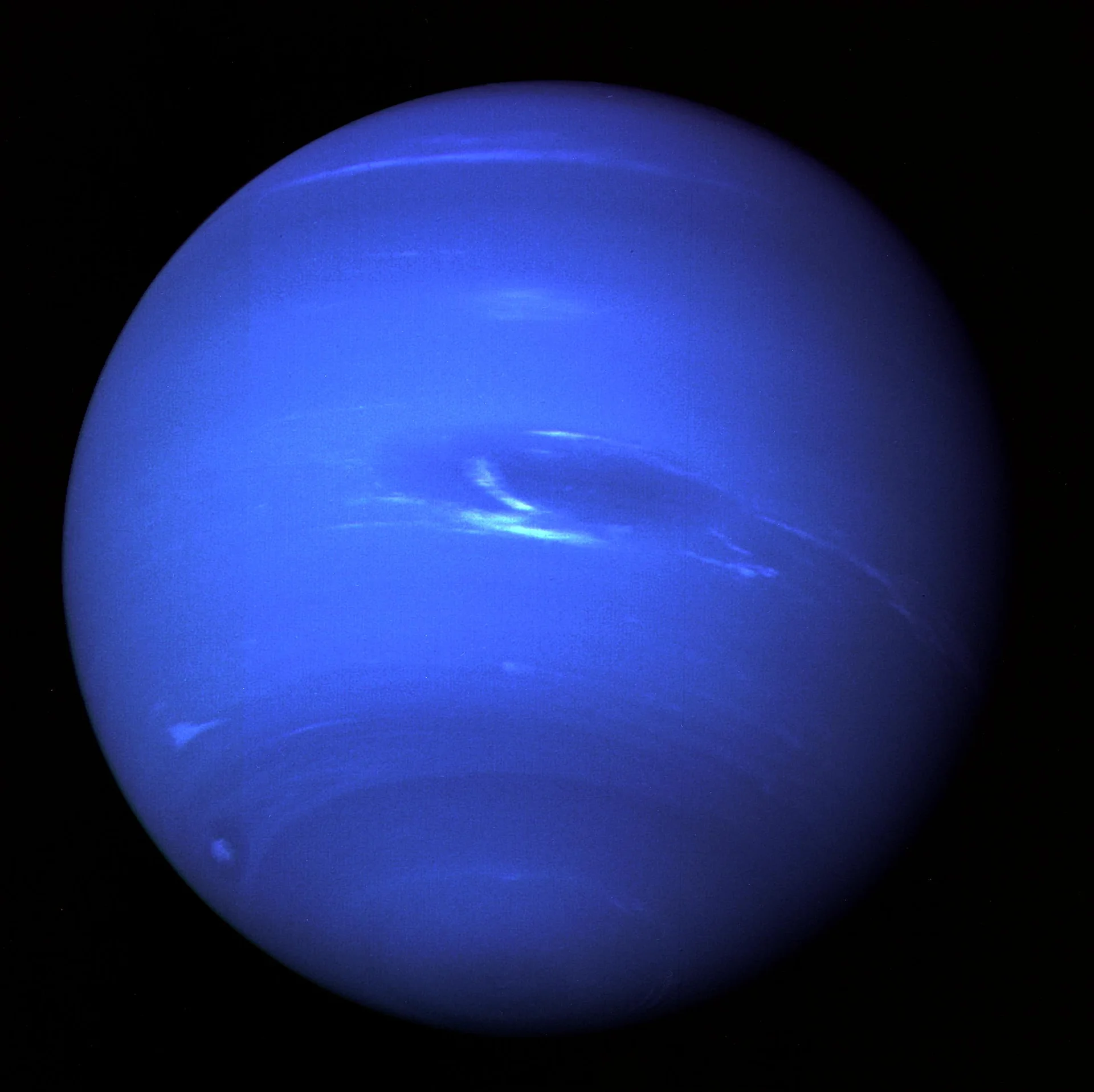
    Neptune

    The planet that was found with the point of a pen.

    In the summer of 1846, a French mathematician who had never looked through a telescope wrote a letter to Berlin, telling a German astronomer exactly where to point one. That night, a new planet appeared — within one degree of the predicted position. It was the first world in history discovered not by sight, but by pure mathematics.

  3. 2026-05-12

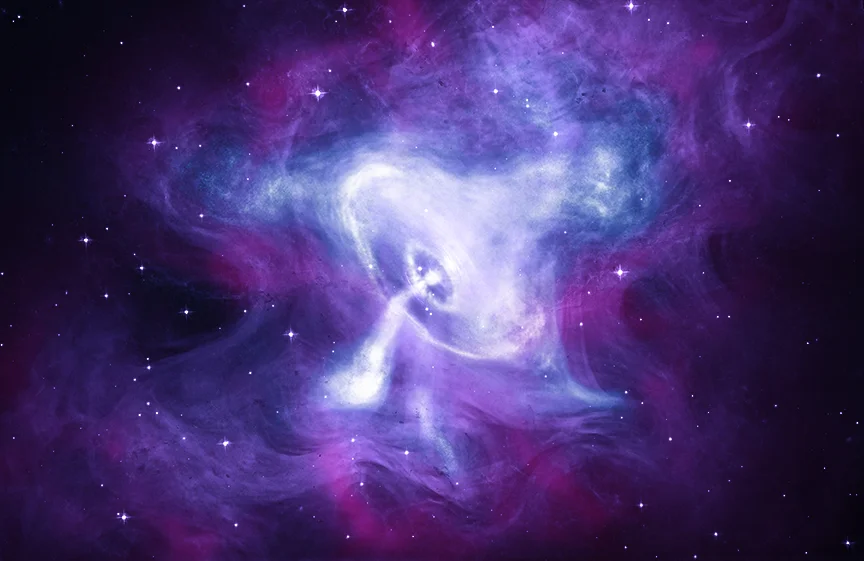
    The First Pulsar

    A signal that should not have existed.

    In the summer of 1967, a twenty-four-year-old graduate student in Cambridge found a rhythm buried in the radio noise — sharp, cold, perfectly repeating every 1.337 seconds. For weeks, no one could explain it. They half-jokingly labelled it LGM-1: Little Green Men.

  4. 2026-05-09

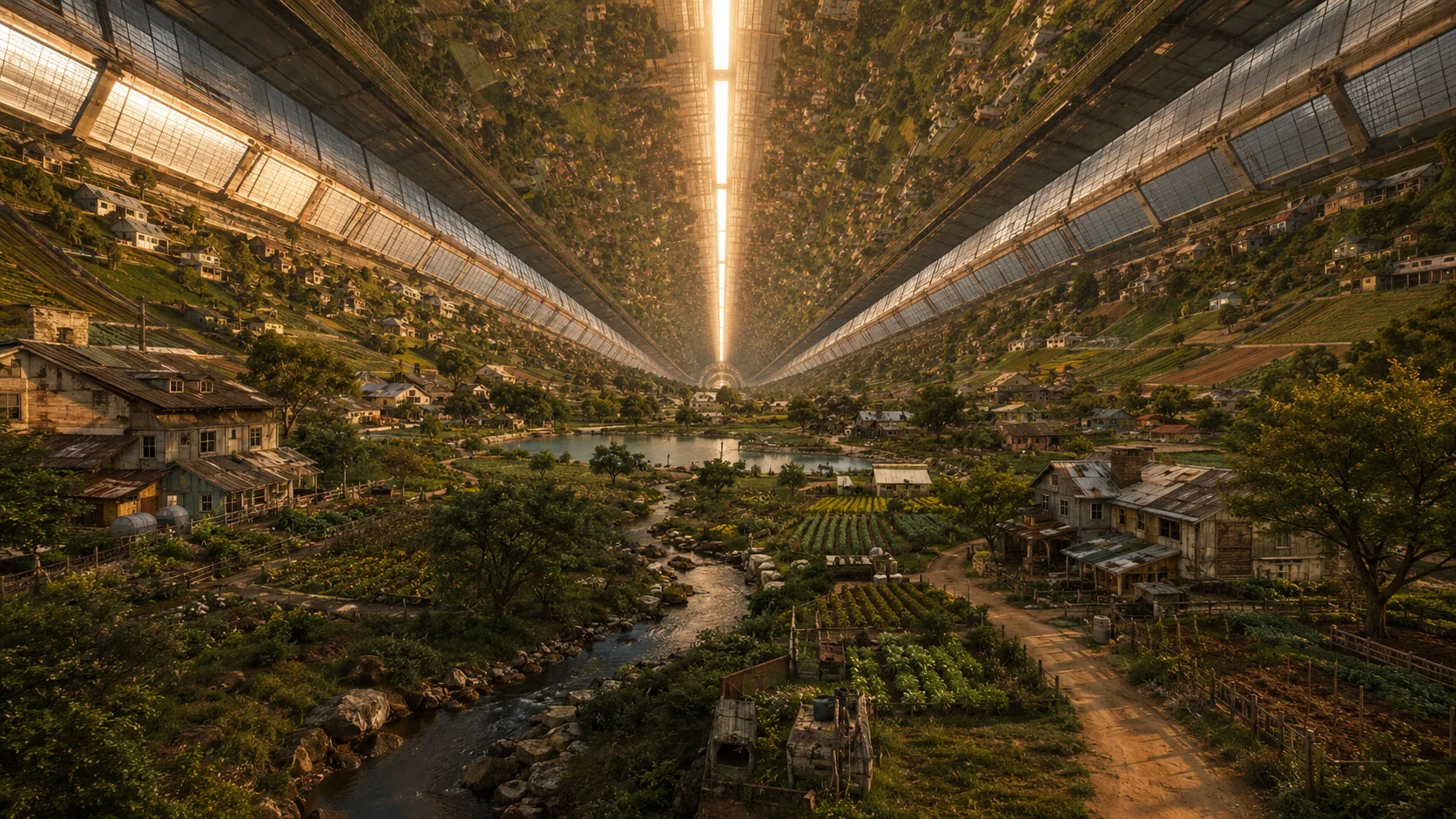
    The Slow Crossing

    What an interstellar voyage would actually require, with the technology we have today.

    It is not a hypothetical that has aged badly. The nearest other star is 4.24 light-years away, and the question of how long the trip would take, with what we actually have, returns an answer that almost no fiction has been honest about.

  5. 2026-05-08

    Fossil Light

    Astronomy is the only science that cannot observe the present.

    Every photon that reaches a telescope is news from a moment that has already ended. The further the source, the older the news — and the more the universe in front of us is no longer there.

  6. 2026-05-07

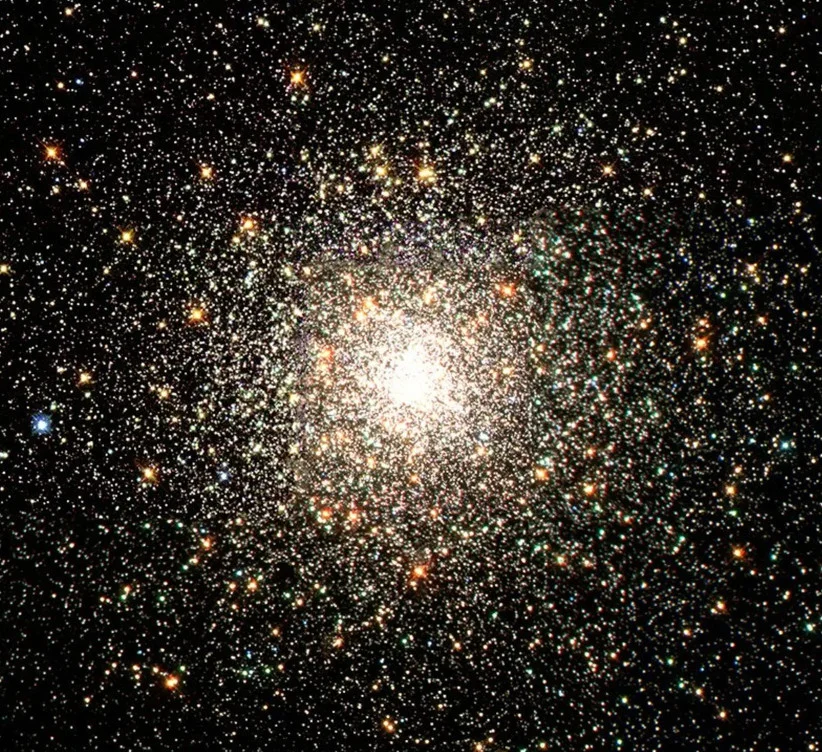
    Stellar Collisions

    When stars meet — violently.

    A direct hit between two stars is exceedingly rare in the disc of the Galaxy. In the dense cores of globular clusters, it is routine.

  7. 2026-05-07

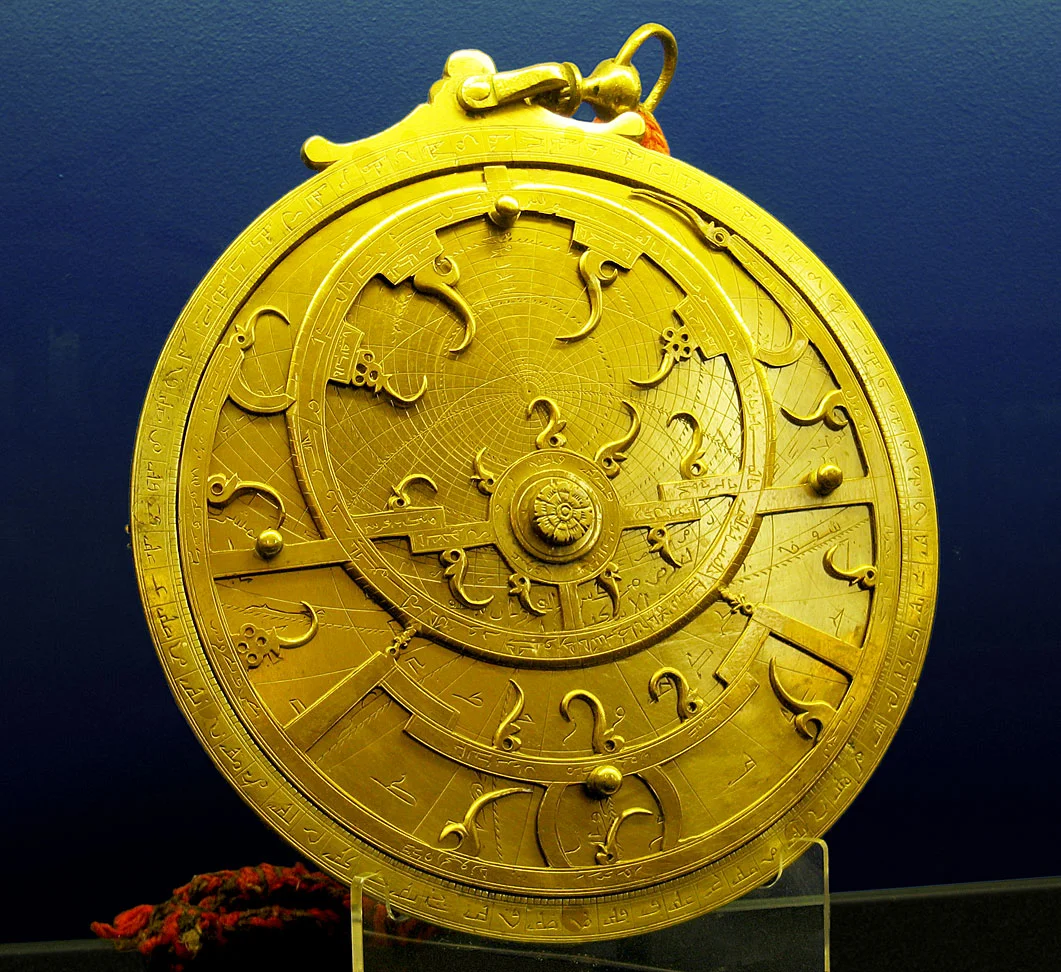
    The Astrolabe

    The Renaissance computer that fitted in the palm of your hand.

    Before there were watches, before there were sextants, there was an instrument that told you the time, your latitude, the position of the stars, and — if you were Muslim — the direction of Mecca. It fit in the palm of your hand.

  8. 2026-05-07

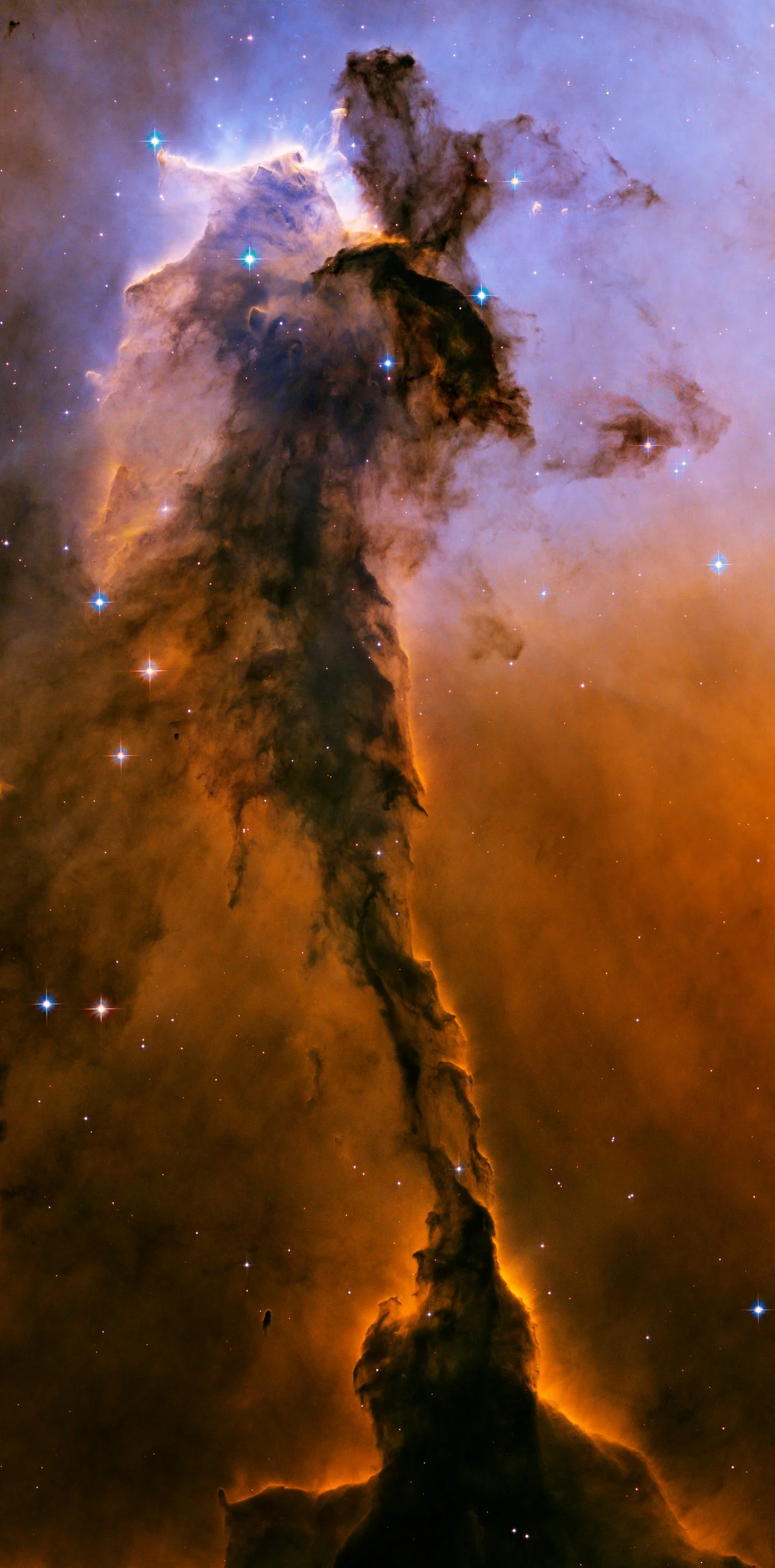
    Giant Molecular Clouds

    Stellar nurseries written in cold hydrogen and dust.

    Most of interstellar space is too hot and too sparse for atoms to ever meet. But cold, dense pockets exist — and that is where stars come from.

  9. 2026-05-07

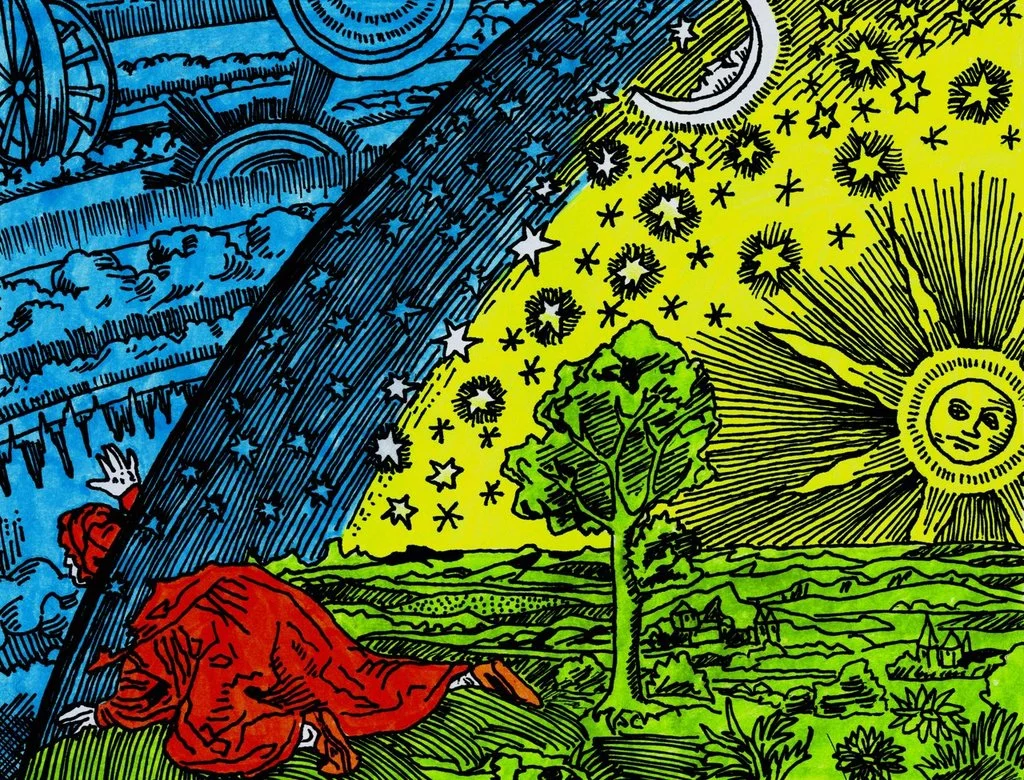
    A Thought Experiment from the Middle Ages

    When medieval astronomers reached for the edge of everything.

    Aristotle insisted the universe ended somewhere. His medieval inheritors tried to imagine reaching past that end — and the question reshaped physics.

  10. 2026-05-07

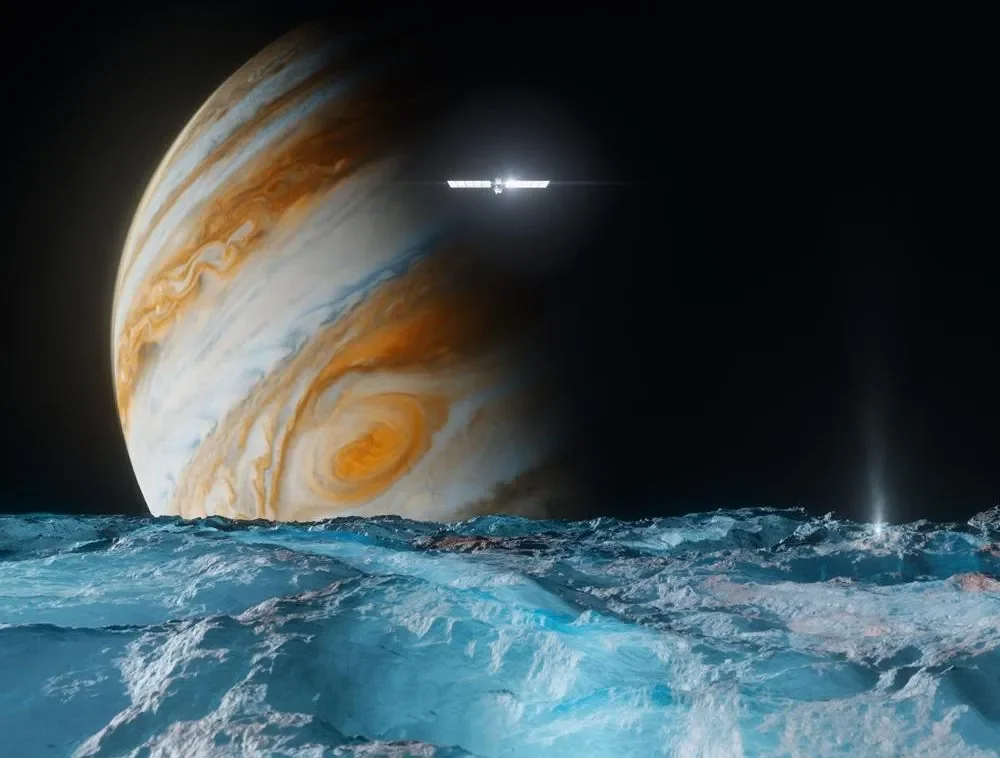
    The Oceans of Jupiter's Moons

    Beneath the ice, an entire hydrosphere waits in silence.

    The four points of light beside Jupiter, easily seen with binoculars, are not stars. Beneath the ice of at least one of them, an ocean is waiting.

  11. 2026-05-07

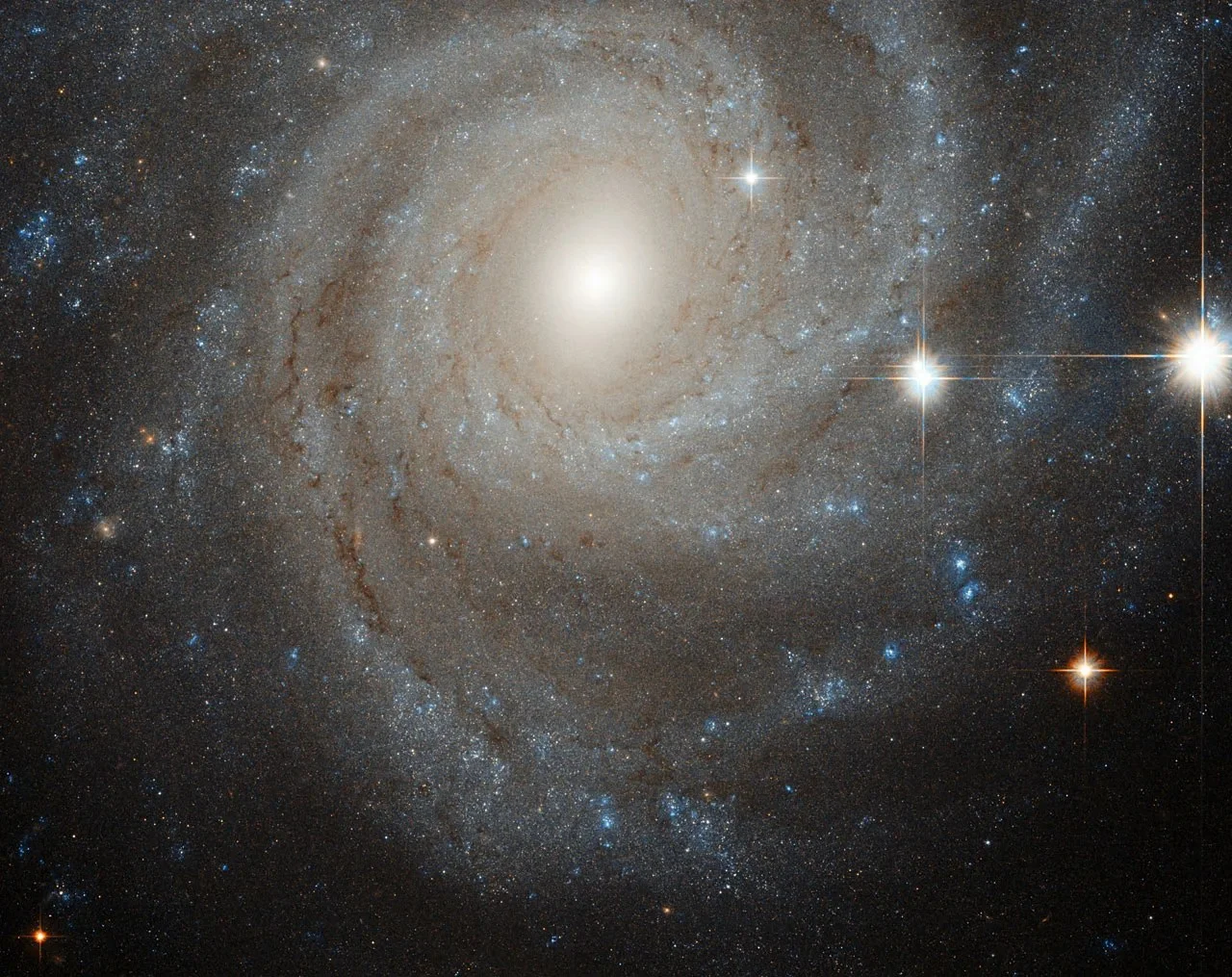
    Cosmic Pinwheels

    A field guide to the shapes of galaxies.

    The first time someone tried to put galaxies in alphabetical order was 1926. The order has changed remarkably little since.

  12. 2026-05-07

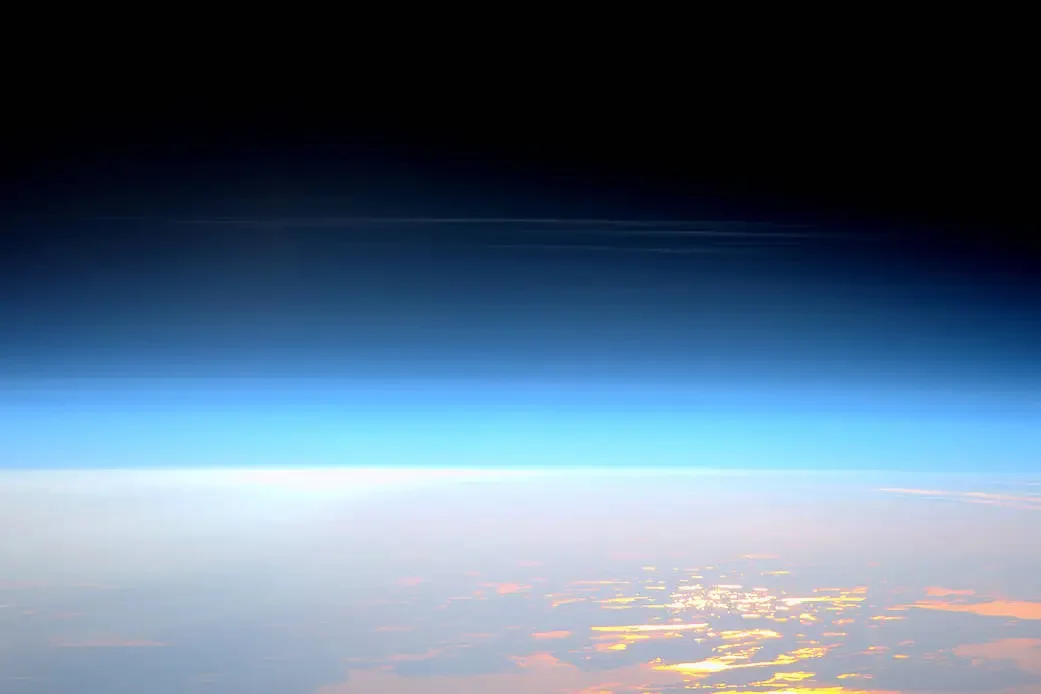
    Noctilucent Clouds

    Ice crystals at the edge of space, glowing after sunset.

    There is a kind of cloud you can only see when the Sun has already set on you but is still rising on it. Eighty kilometres up, in air drier than any desert, ice has somehow learned to form.

  13. 2026-05-07

    The Great Revolution

    How Kepler and Galileo dismantled fourteen centuries of cosmic certainty.

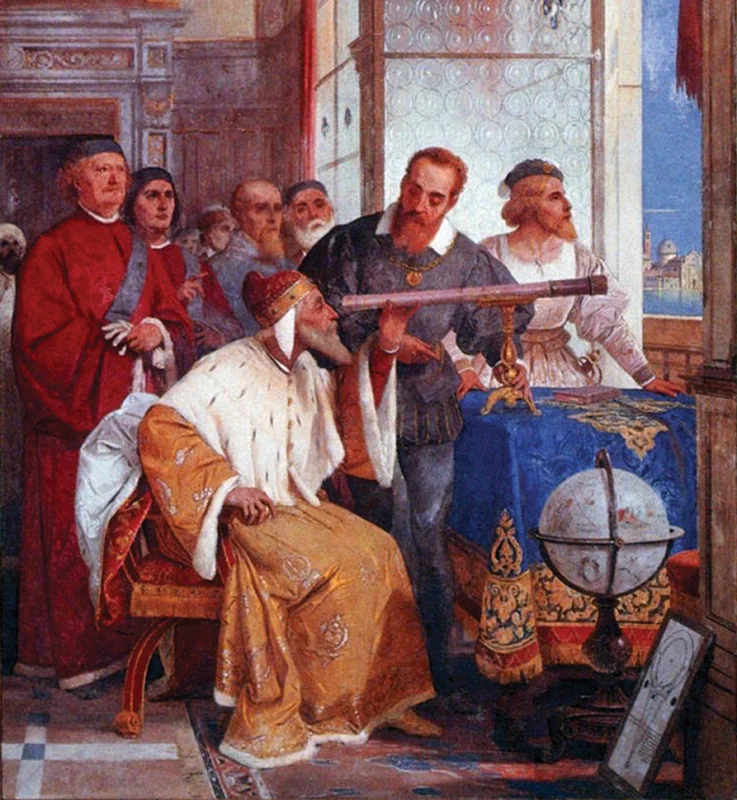
    Two men, working in different countries with different tools, finished what Copernicus had only begun. Within a single year — 1609 — the heavens stopped being a closed sphere and became something measurable.

  14. 2026-05-07

    How Much Does a Galaxy Weigh?

    The question is poorly posed — and the answer is stranger than the question.

    There is no scale large enough to weigh a galaxy. The methods we have invented instead reveal that most of the answer is something we cannot see.

  15. 2026-05-07

    The Story of Stars

    From the dust of molecular clouds to the light that reaches our telescopes.

    Stars are not visible at the moment of their birth. To find one being made, we have to point a radio telescope at a place where, on the surface, nothing seems to be happening.

  16. 2026-05-07

    Our Sun

    An extraordinarily complex star hiding behind an apparently simple glow.

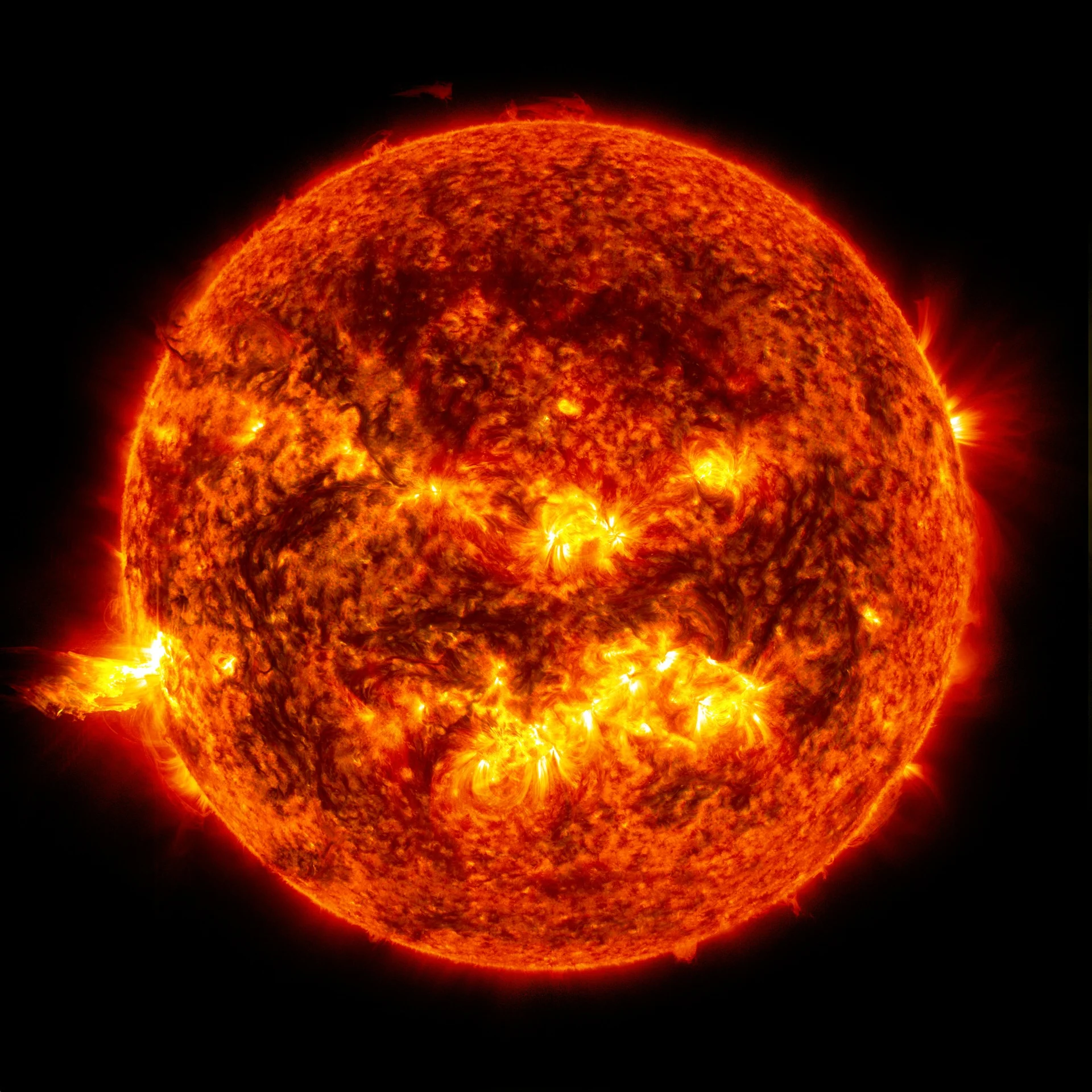
    The Sun appears to the eye as a featureless ball of light. A century of observation has shown it to be the most layered, most paradoxical star we will ever study at close range.

  17. 2026-05-07

    The Solar Neighbourhood

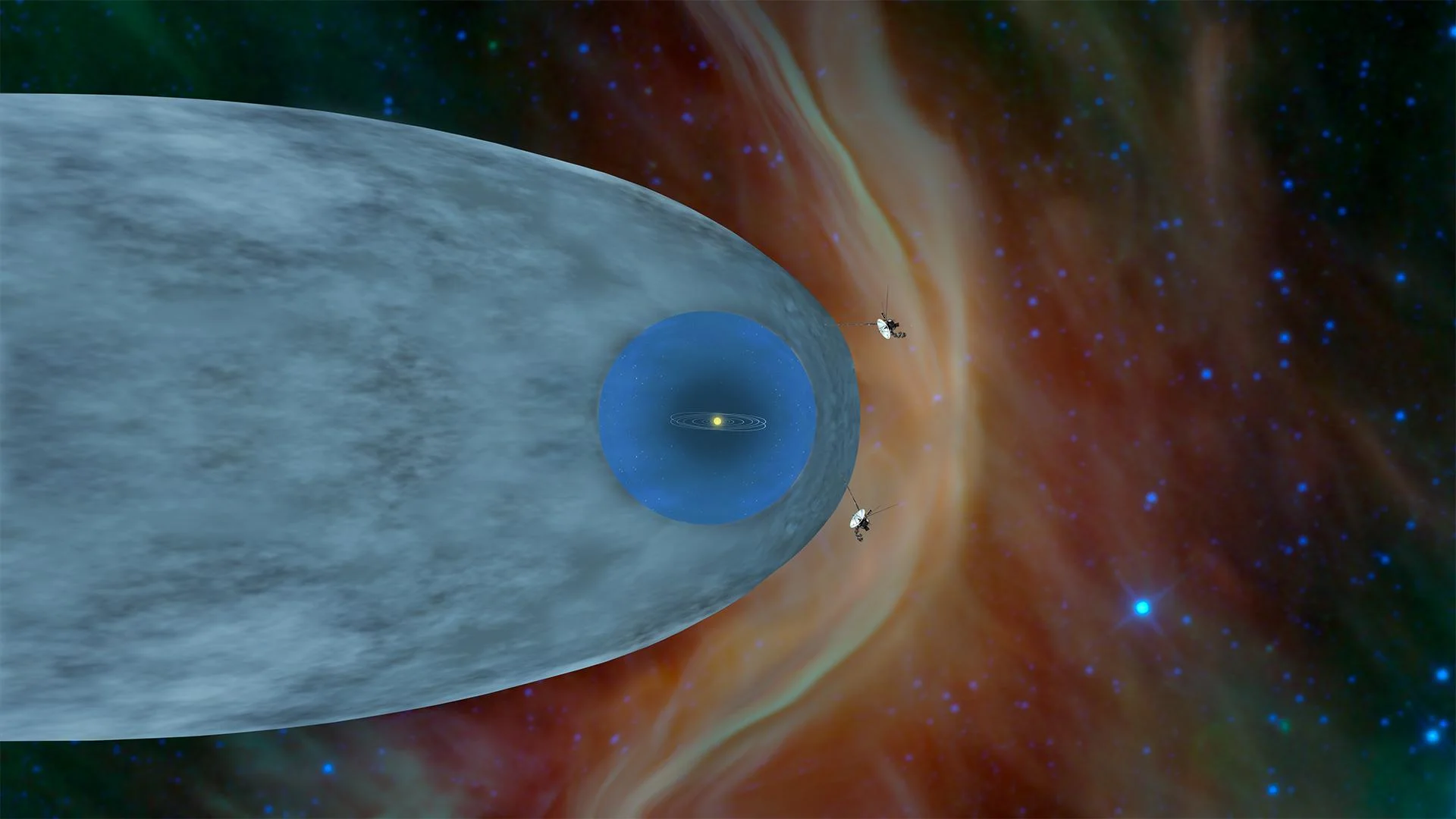
    Interstellar matter flows through our planetary system — and has for billions of years.

    The Solar System is not sailing through empty space. It is moving through a cloud — and through that cloud's history.

  18. 2026-05-07

    The Cosmic Distance Ladder

    Measuring the universe — one rung at a time.

    Astronomy began as the art of estimating how far things are. The trick is that no single method works at every scale — so we built a ladder.

  19. 2026-05-07

    How Saturn Got Its Rings

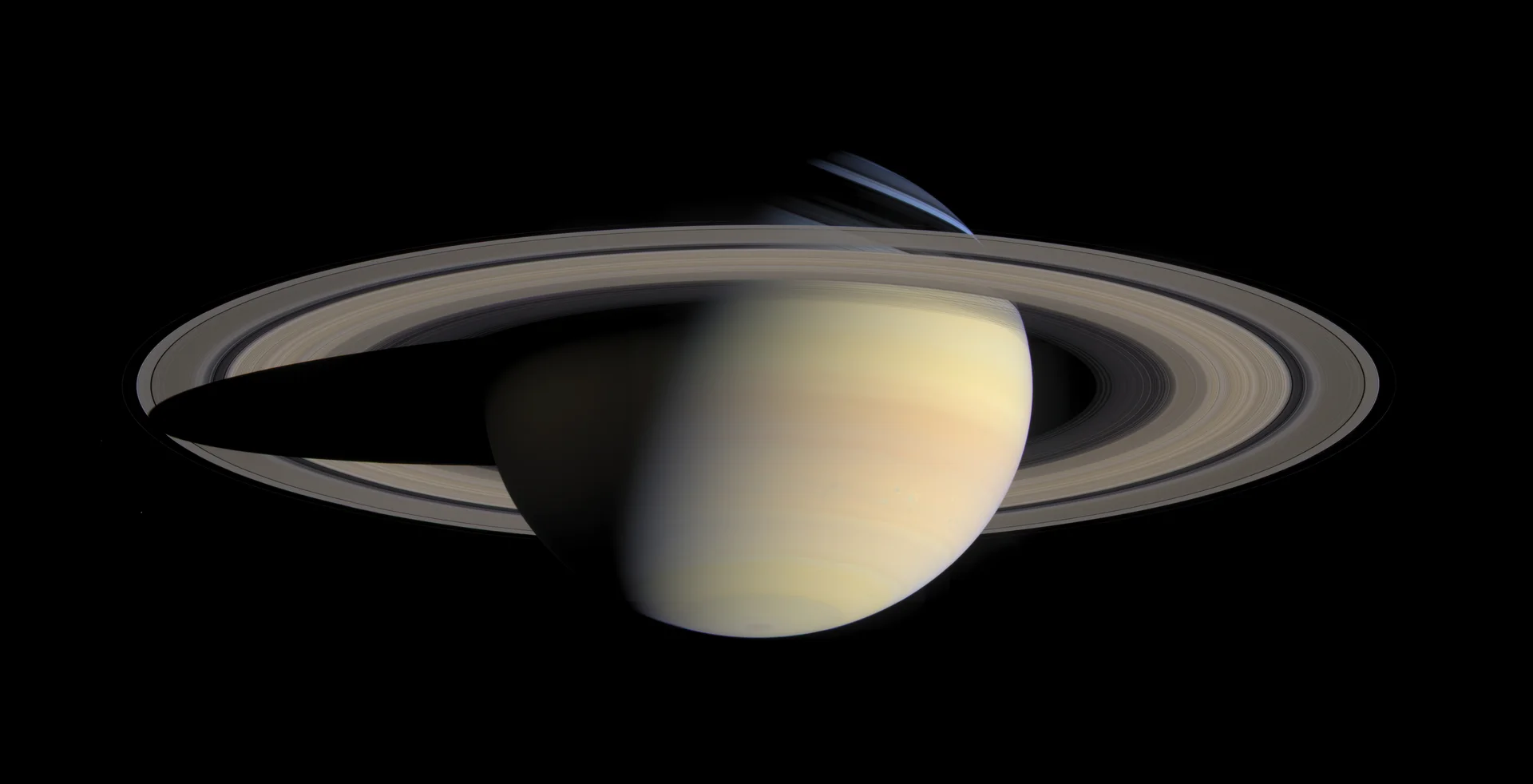
    A lost moon, a broken resonance, and a planet that devoured its own child.

    The rings of Saturn look ancient and are not. Two unrelated mysteries about the planet — their youth and its tilt — turn out to share a single, violent answer.

  20. 2026-05-07

    Extraterrestrial Volcanoes

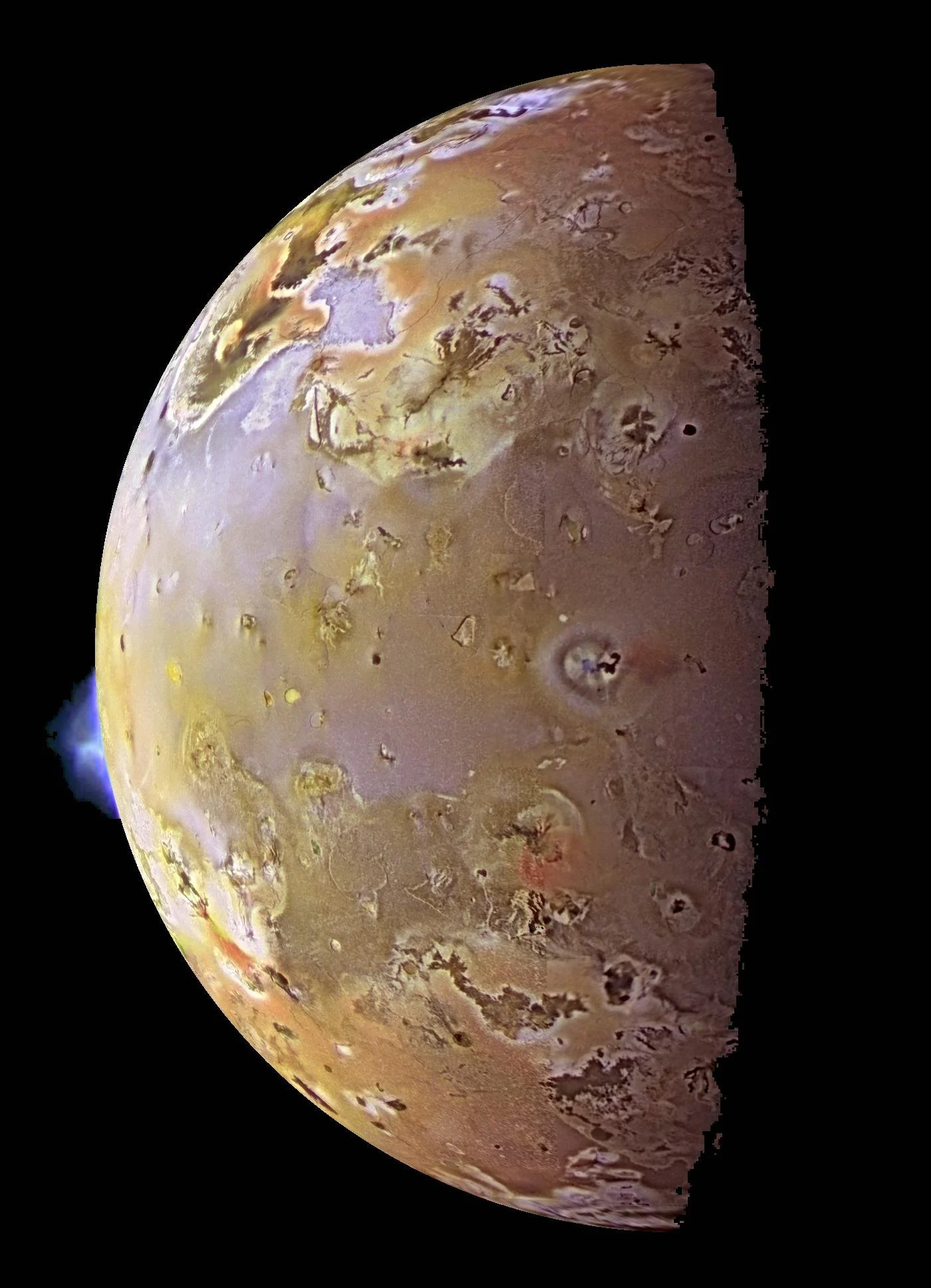
    Named after the God of Fire — and found on worlds far beyond our own.

    The conviction that Earth was the only living world geologically lasted as long as we had not looked closely. Voyager 1 ended it in three days.

  21. 2026-05-07

    The Terminator

    The line that separates day from night — sweeping the Earth at 1,600 km/h.

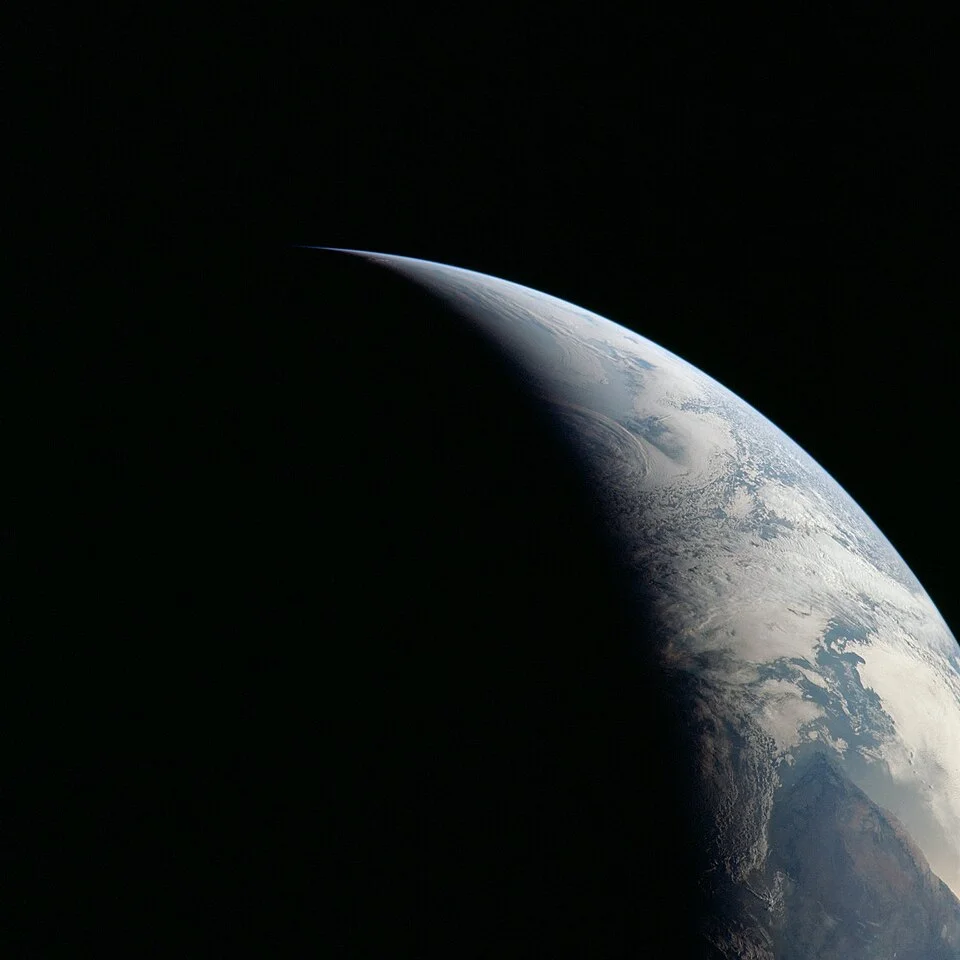
    Twice every day, a moving line crosses every place on Earth at the speed of a jet airliner. We see it as a sunrise. The Moon shows the same line in cleaner form.

  22. 2026-05-07

    The Mystery of the Milky Way

    Mapping a city from inside a foggy window.

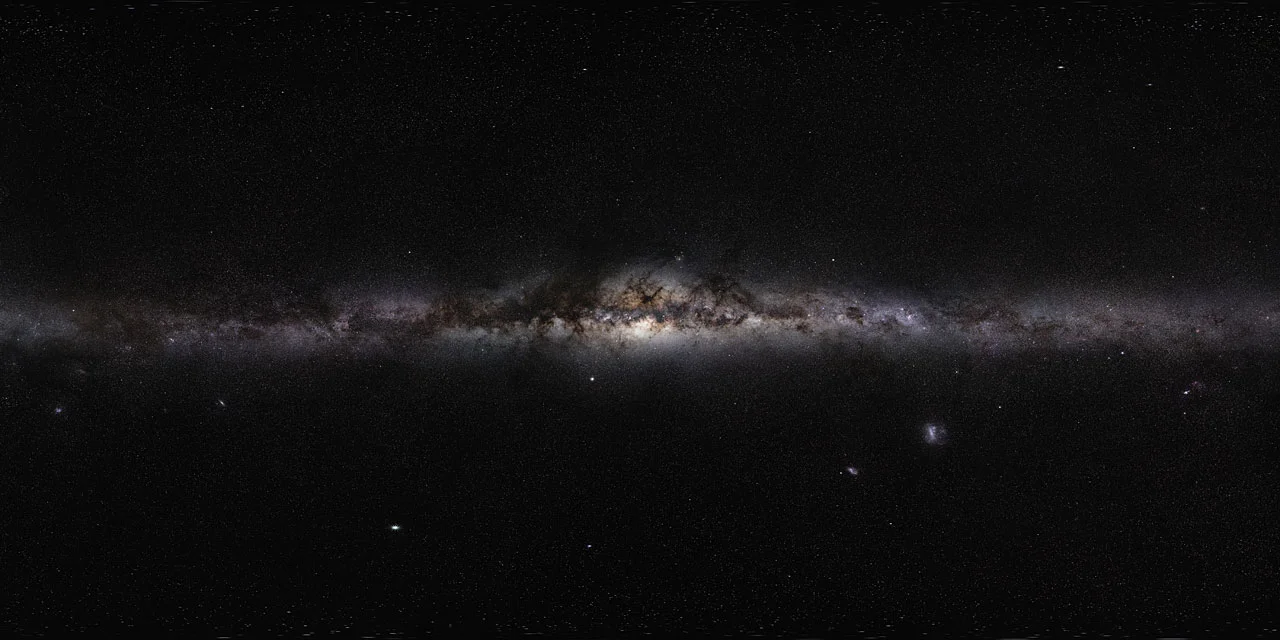
    We have always lived inside the Galaxy, never outside it. Drawing its map has been like sketching a metropolis from a single window — and the picture is still unfinished.

  23. 2026-05-07

    Stones from Mars

    How we proved that pieces of the Red Planet have been falling to Earth all along.

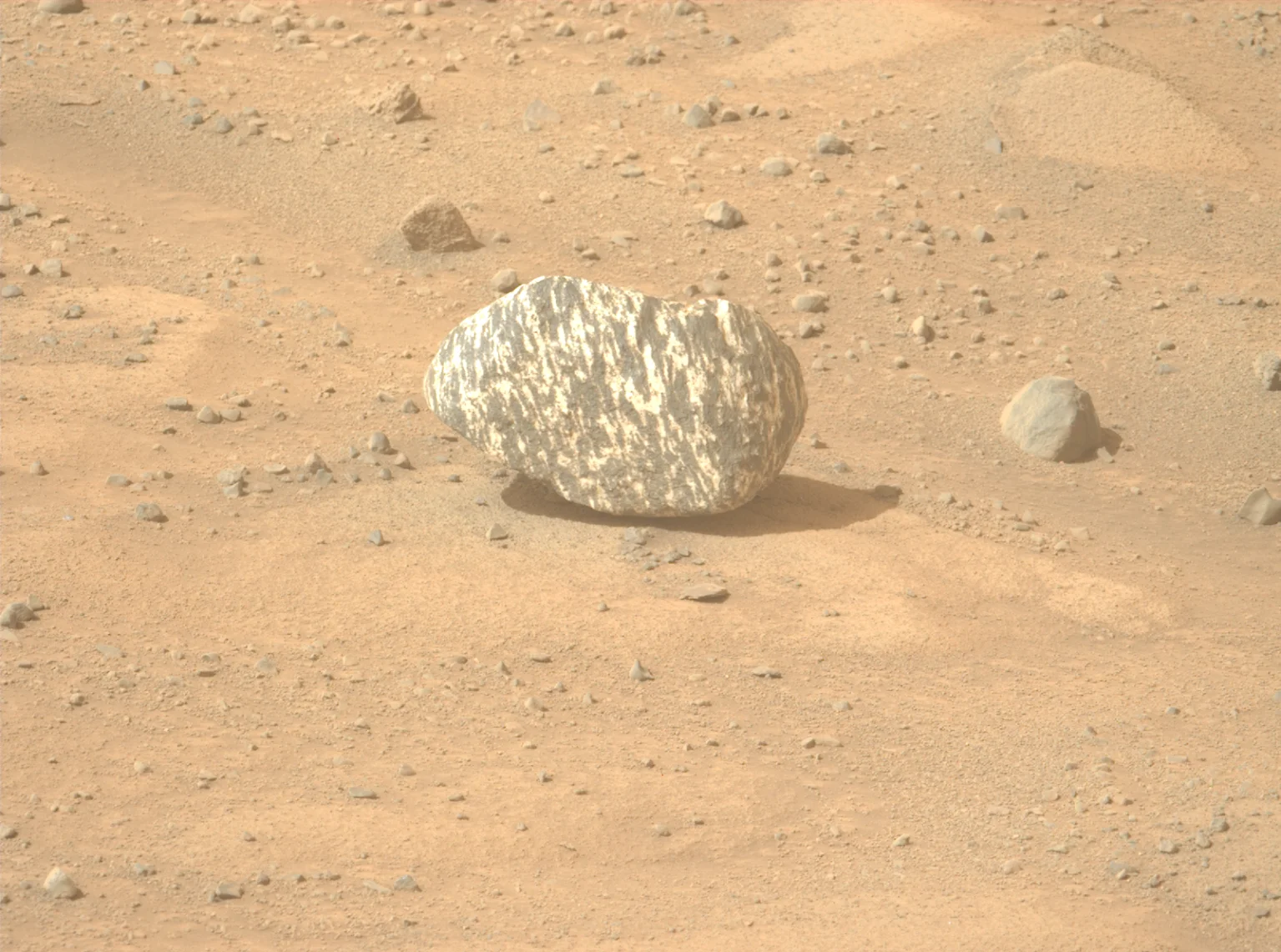
    There are stones in our museums whose journey began on another world. The proof took twenty years to assemble — and one decisive measurement of trapped gas.

  24. 2026-05-07

    Frank Drake ... Thank You

    The man who dared to listen — and taught us how to ask the right question.

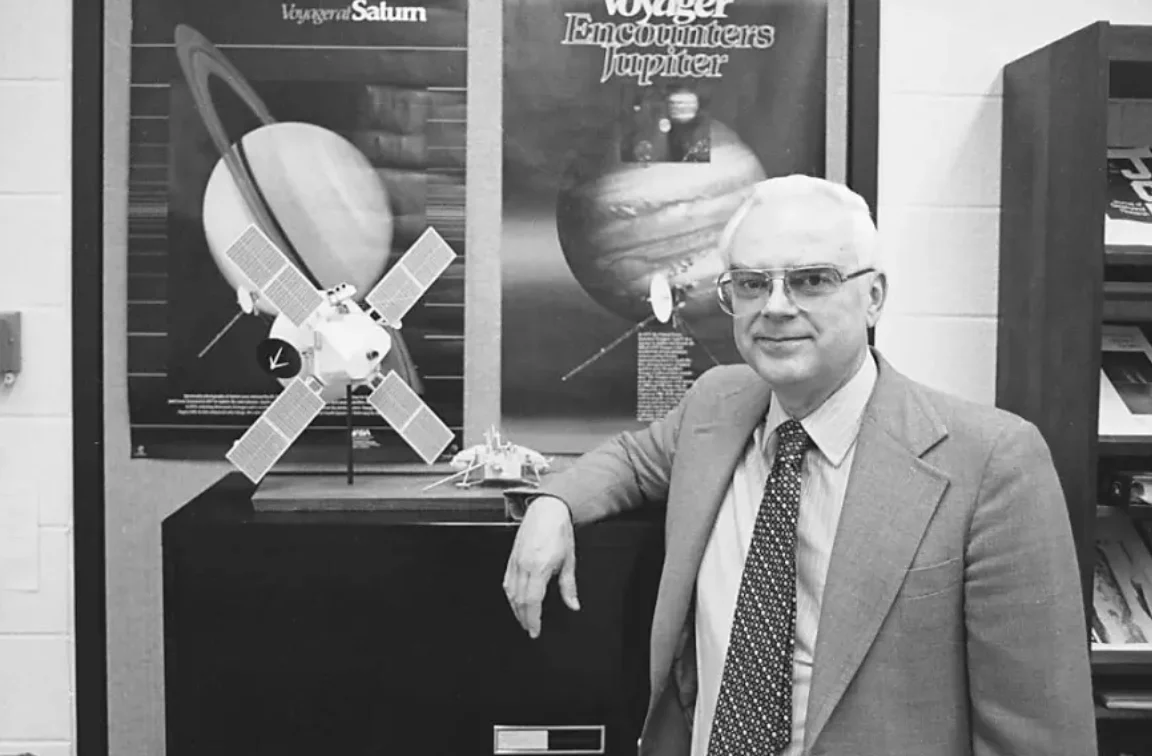
    In 1960 a young astronomer pointed a radio telescope at two nearby stars and listened. He heard nothing. The act of listening, however, changed everything.

  25. 2026-05-07

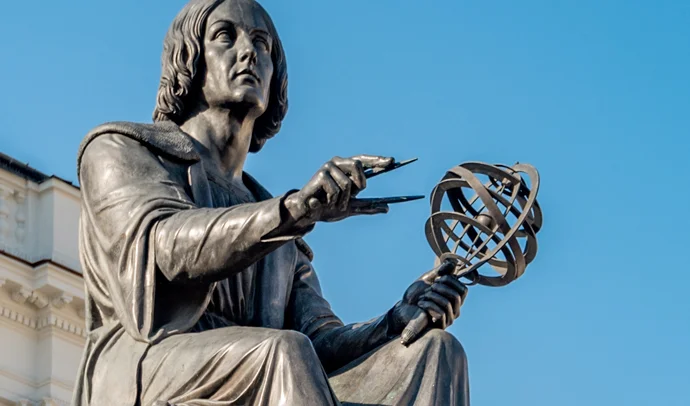
    The Legacy of Copernicus

    Five centuries of demotion — from the centre of creation to the periphery of a spiral arm.

    For fourteen centuries the Earth sat at the centre of everything. The book that displaced it was printed the year its author died — and what it began still has not finished.

  26. 2026-05-06

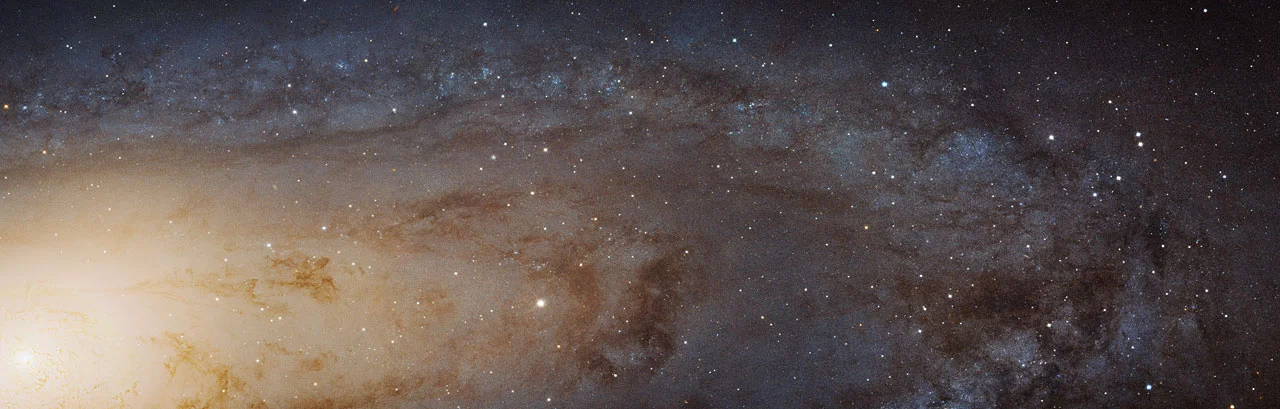
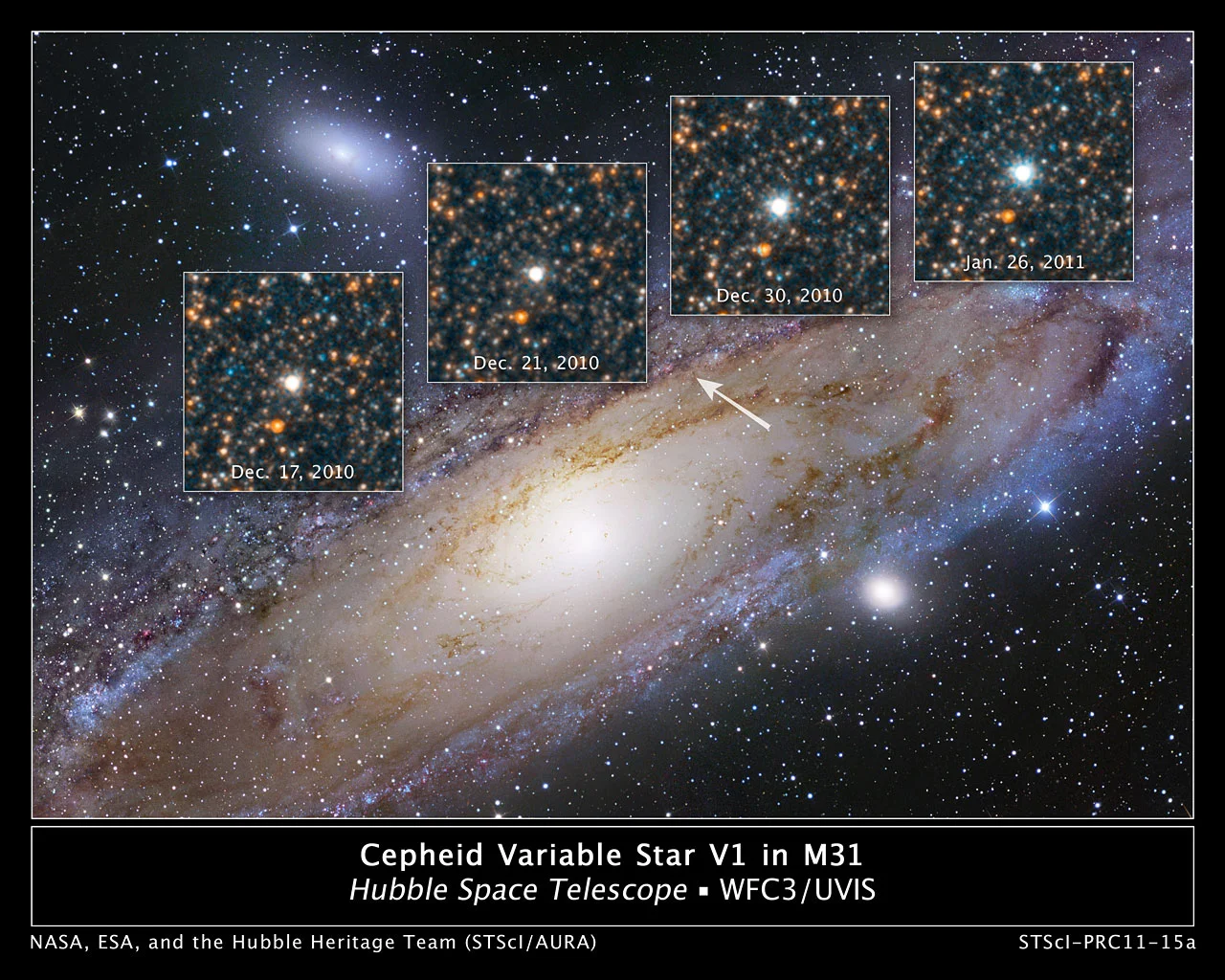
    The Andromeda Galaxy

    The nearest thing to a mirror the Milky Way has.

    The brightest object beyond the Milky Way visible to the unaided eye looks like a smudge of light. It is also the only galaxy heading our way — and we have an appointment.

  27. 2026-05-06

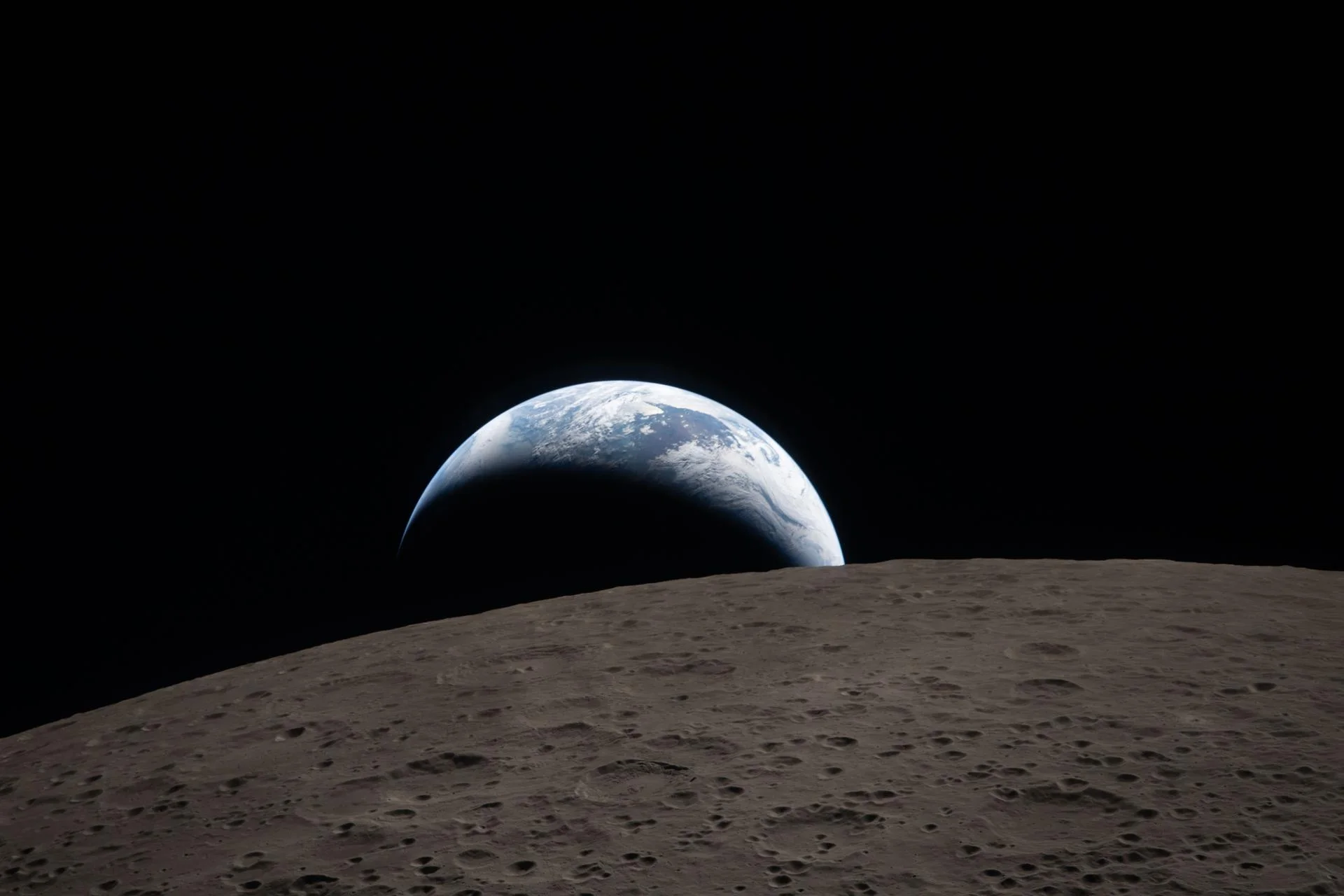
    Artemis II

    Fifty-four years of silence, then an Earthset.

    Half a century after Apollo 17, four astronauts boarded a spacecraft pointed at the Moon — and discovered the silence behind it had been waiting for them.