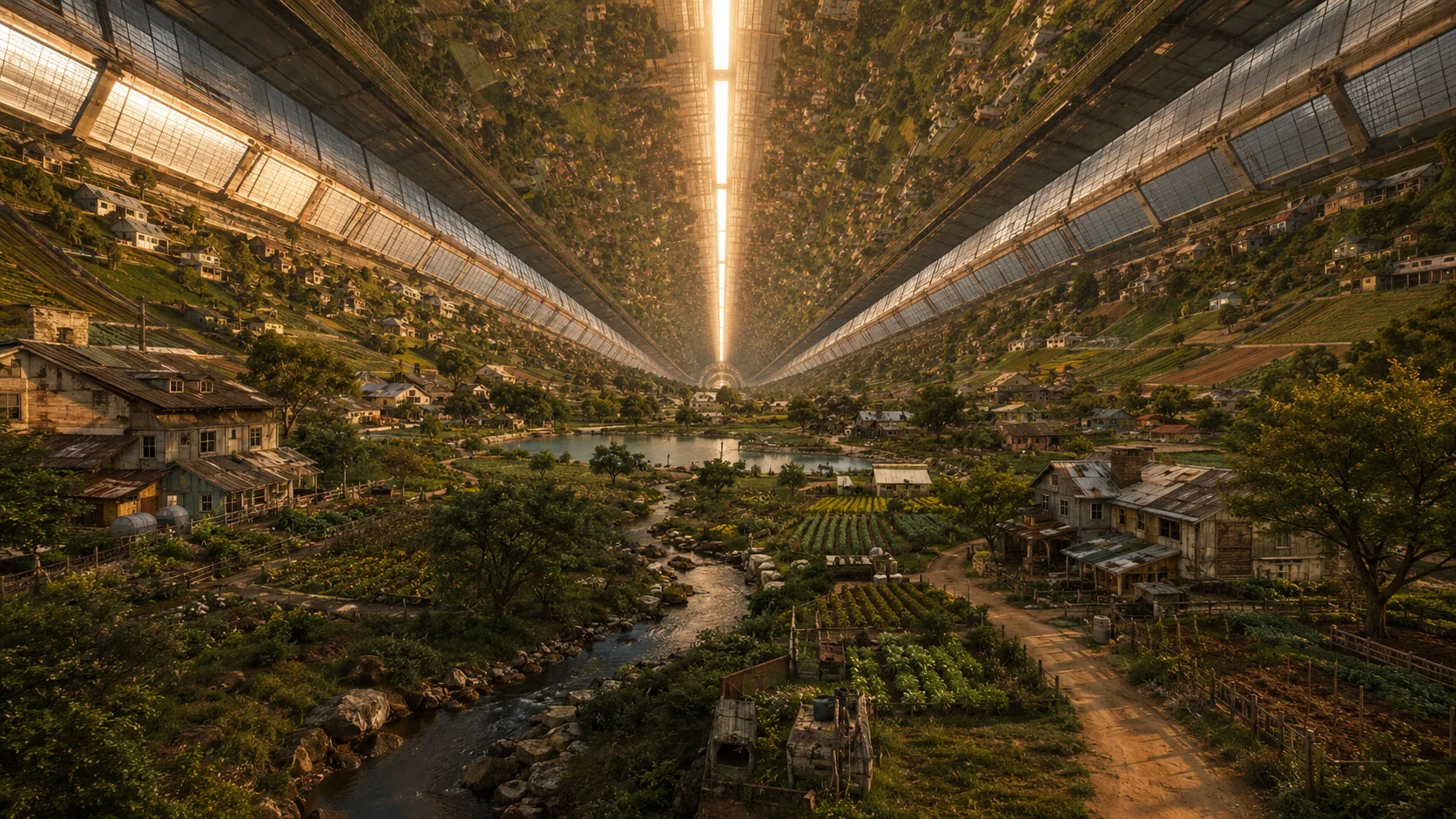
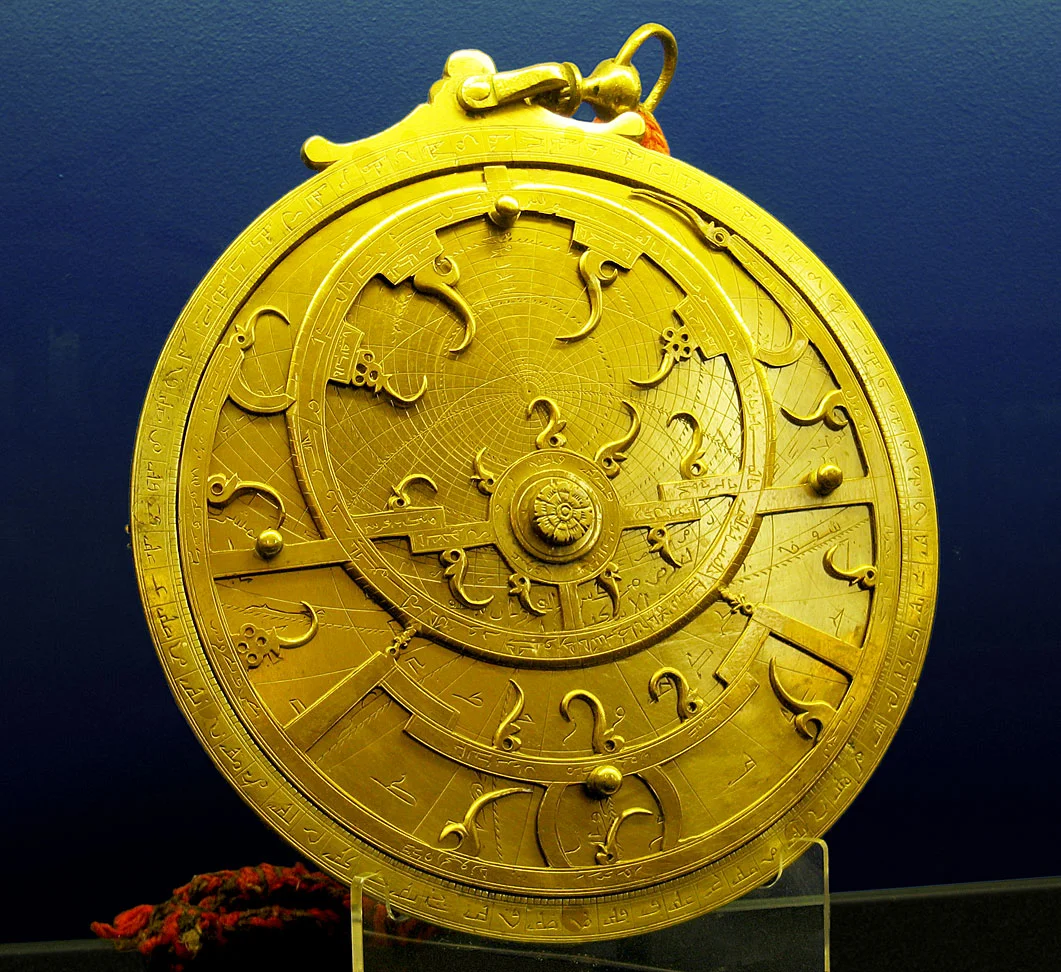
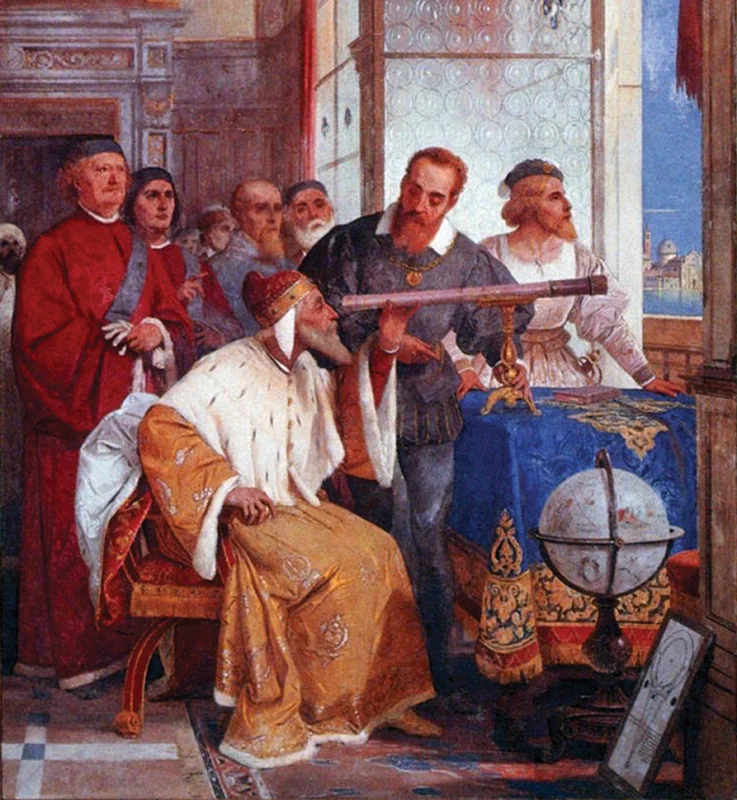
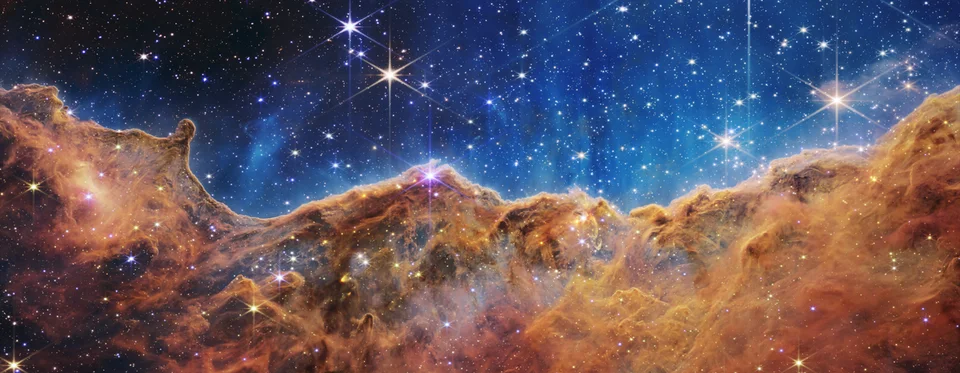
tag #instruments 6 reading cards on “instruments”, in chronological order. Part of the full archive. 2026-05-09 The Slow Crossing What an interstellar voyage would actually require, with the technology we have today. It is not a hypothetical that has aged badly. The nearest other star is 4.24 light-years away, and the question of how long the trip would take, with what we actually have, returns an answer that almost no fiction has been honest about. 2026-05-07 The Astrolabe The Renaissance computer that fitted in the palm of your hand. Before there were watches, before there were sextants, there was an instrument that told you the time, your latitude, the position of the stars, and — if you were Muslim — the direction of Mecca. It fit in the palm of your hand. 2026-05-07 The Great Revolution How Kepler and Galileo dismantled fourteen centuries of cosmic certainty. Two men, working in different countries with different tools, finished what Copernicus had only begun. Within a single year — 1609 — the heavens stopped being a closed sphere and became something measurable. 2026-05-07 The Story of Stars From the dust of molecular clouds to the light that reaches our telescopes. Stars are not visible at the moment of their birth. To find one being made, we have to point a radio telescope at a place where, on the surface, nothing seems to be happening. 2026-05-07 The Cosmic Distance Ladder Measuring the universe — one rung at a time. Astronomy began as the art of estimating how far things are. The trick is that no single method works at every scale — so we built a ladder. 2026-05-07 Frank Drake ... Thank You The man who dared to listen — and taught us how to ask the right question. In 1960 a young astronomer pointed a radio telescope at two nearby stars and listened. He heard nothing. The act of listening, however, changed everything.