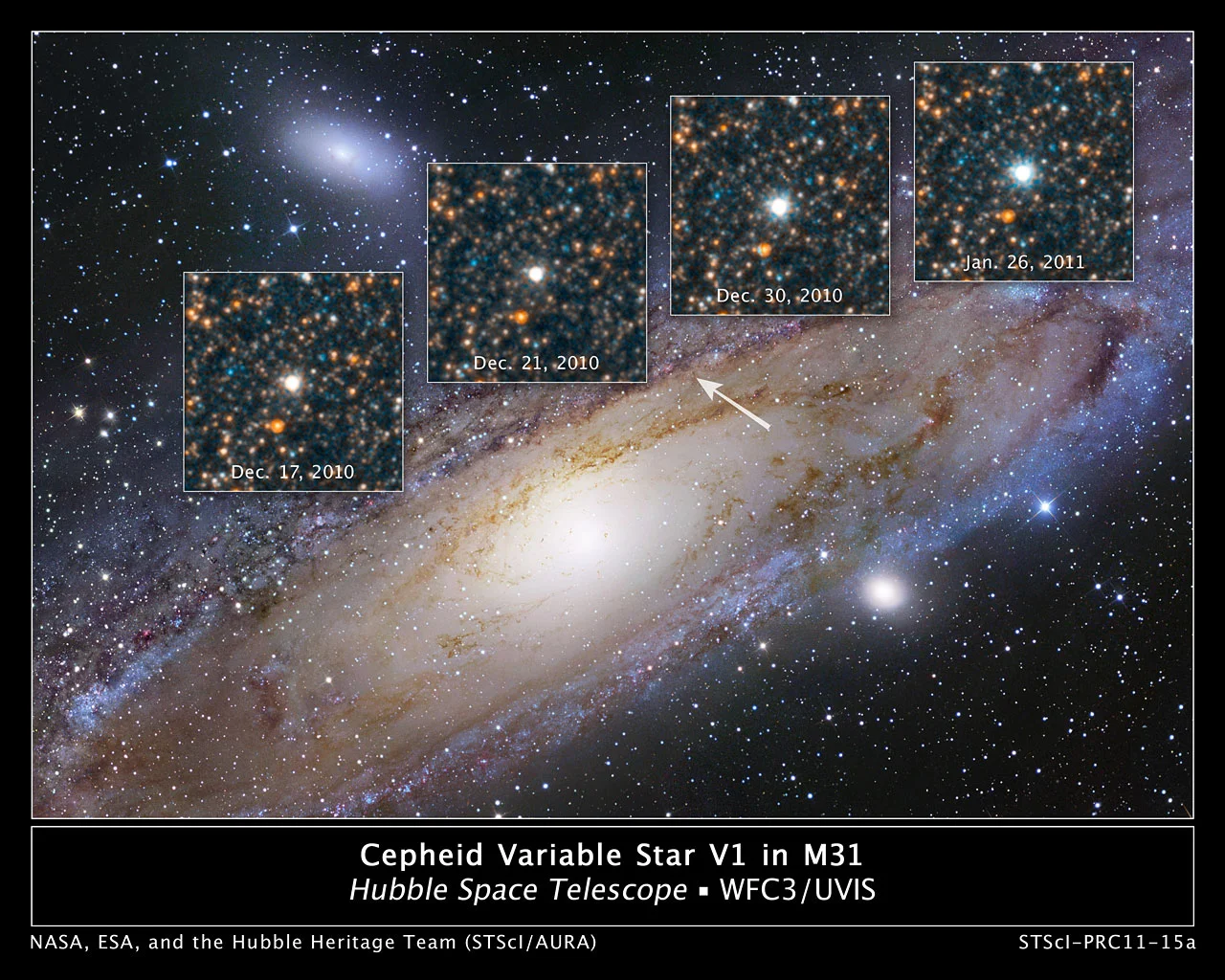
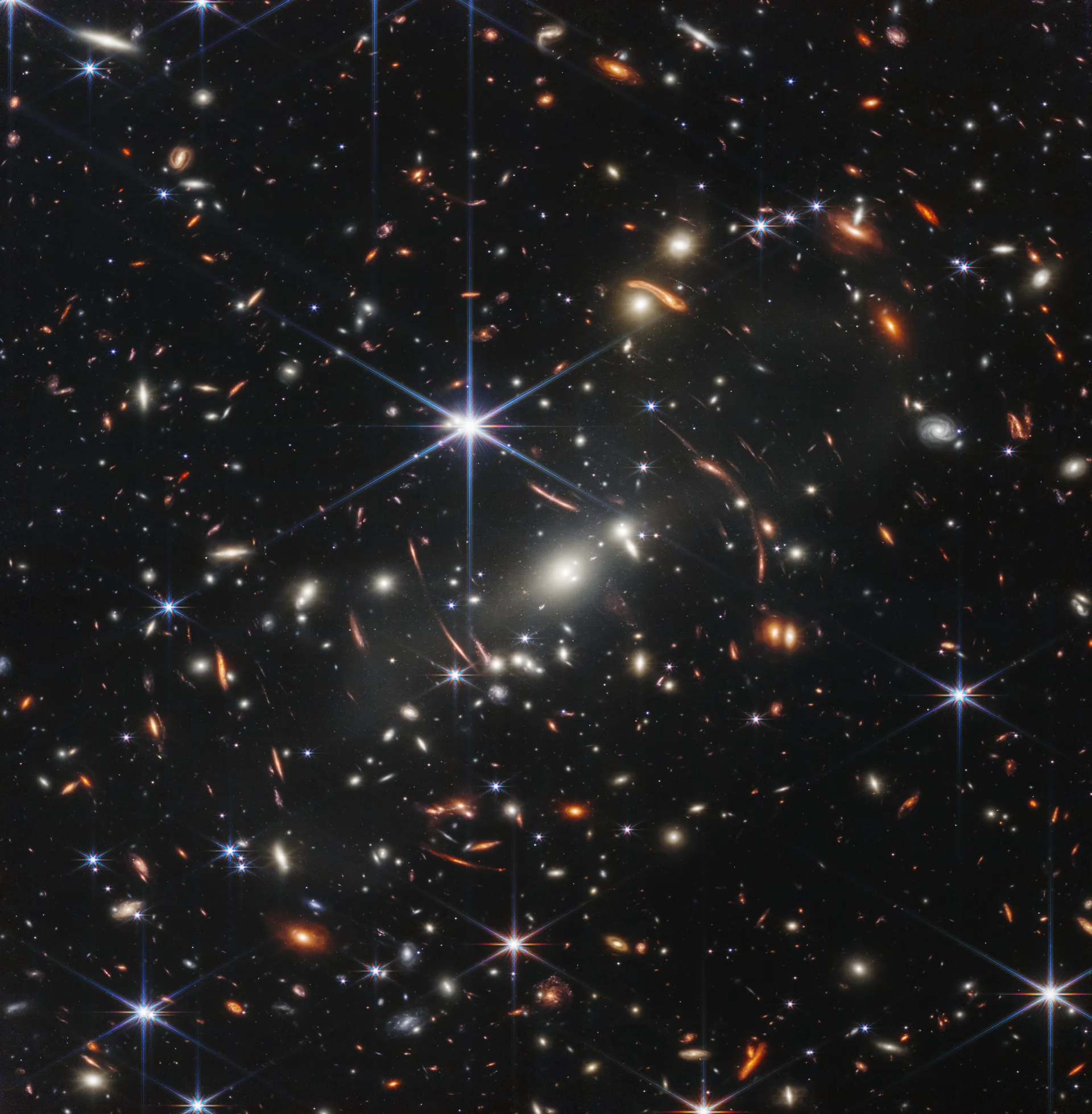
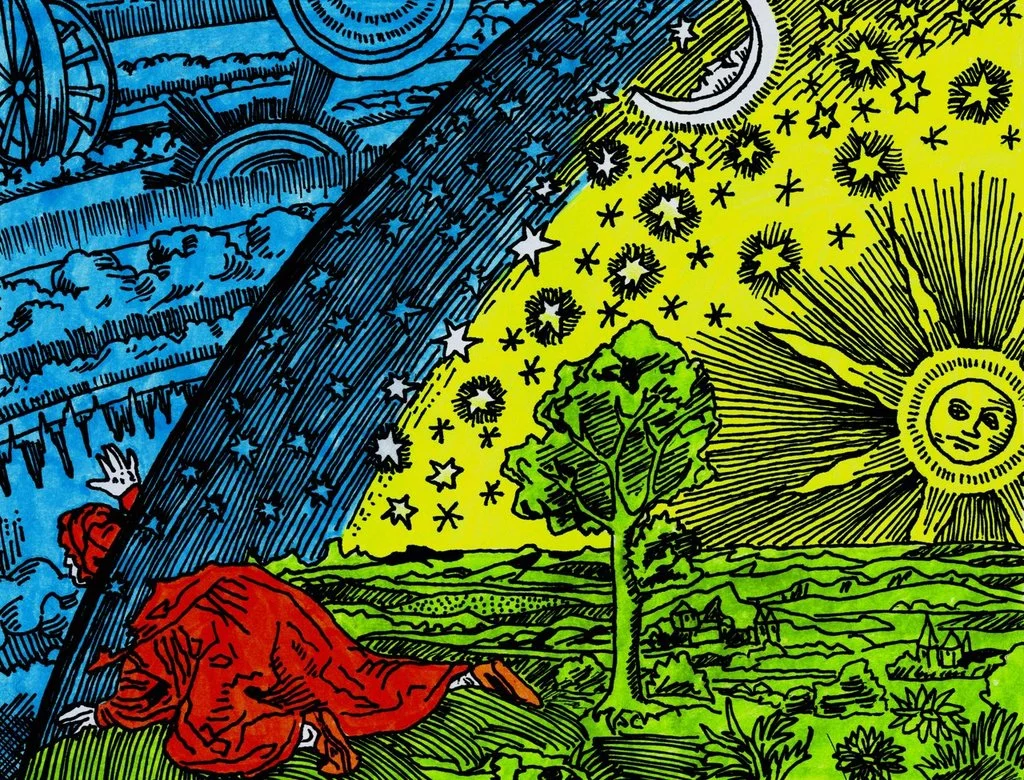
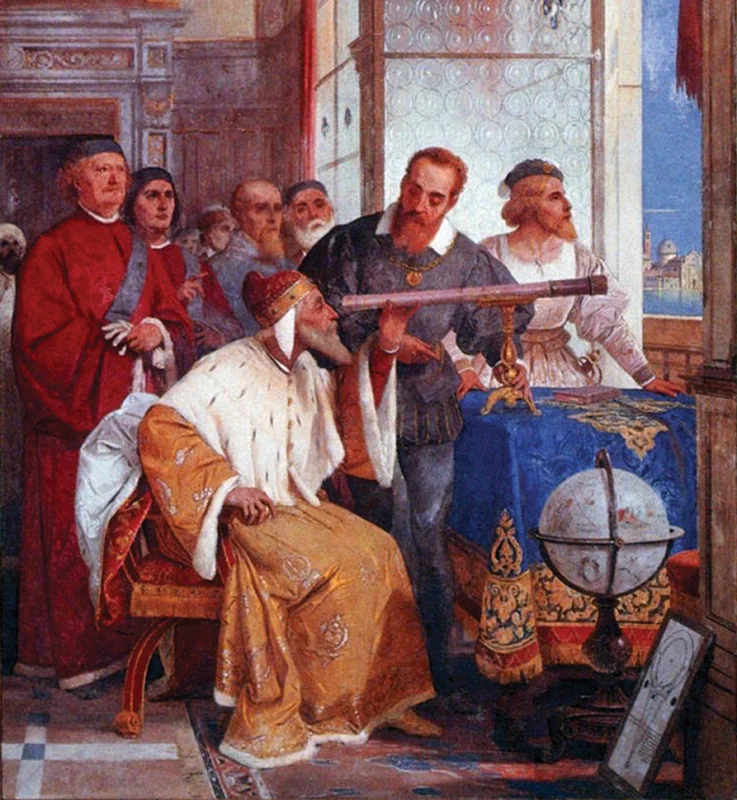
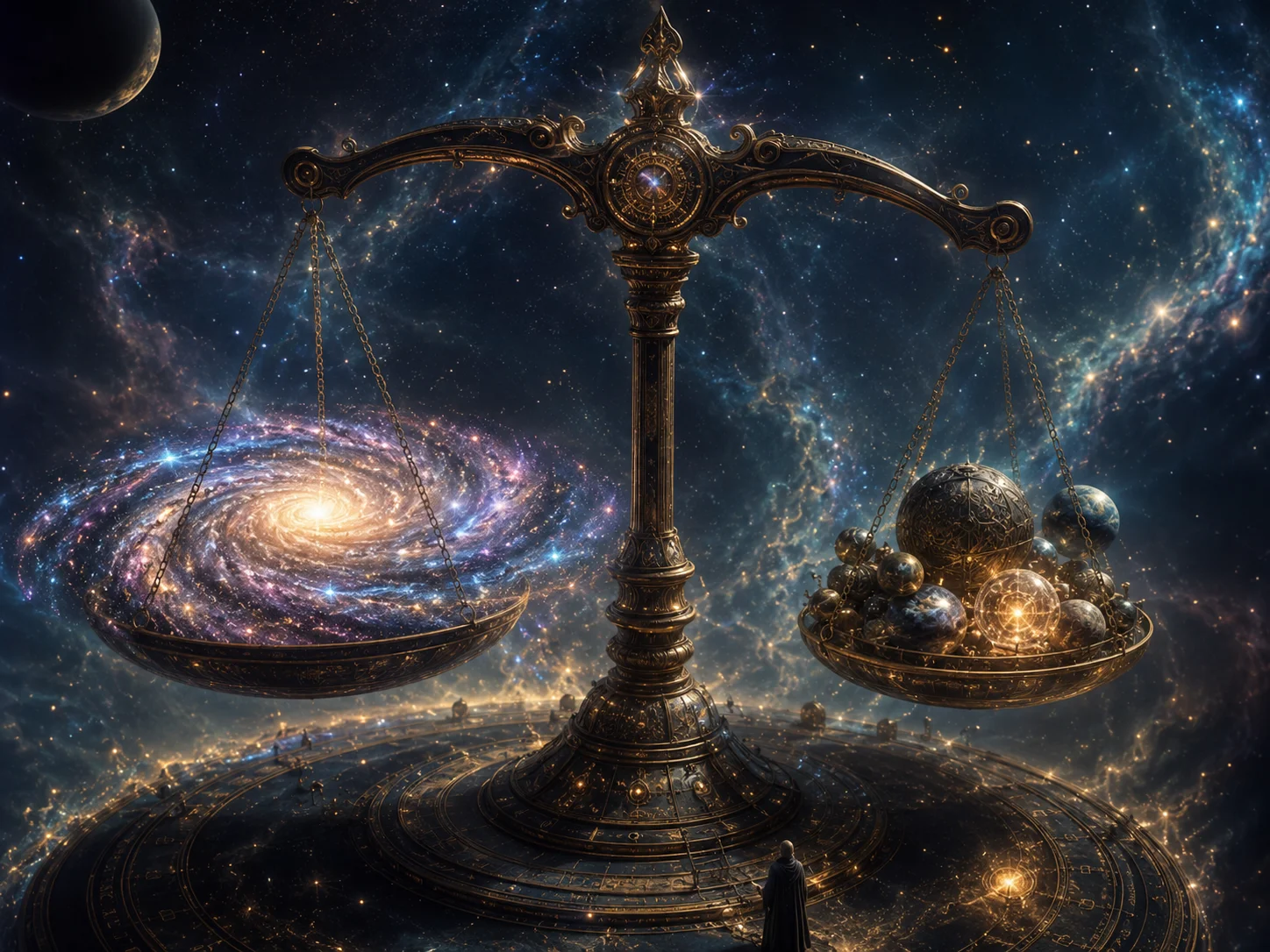
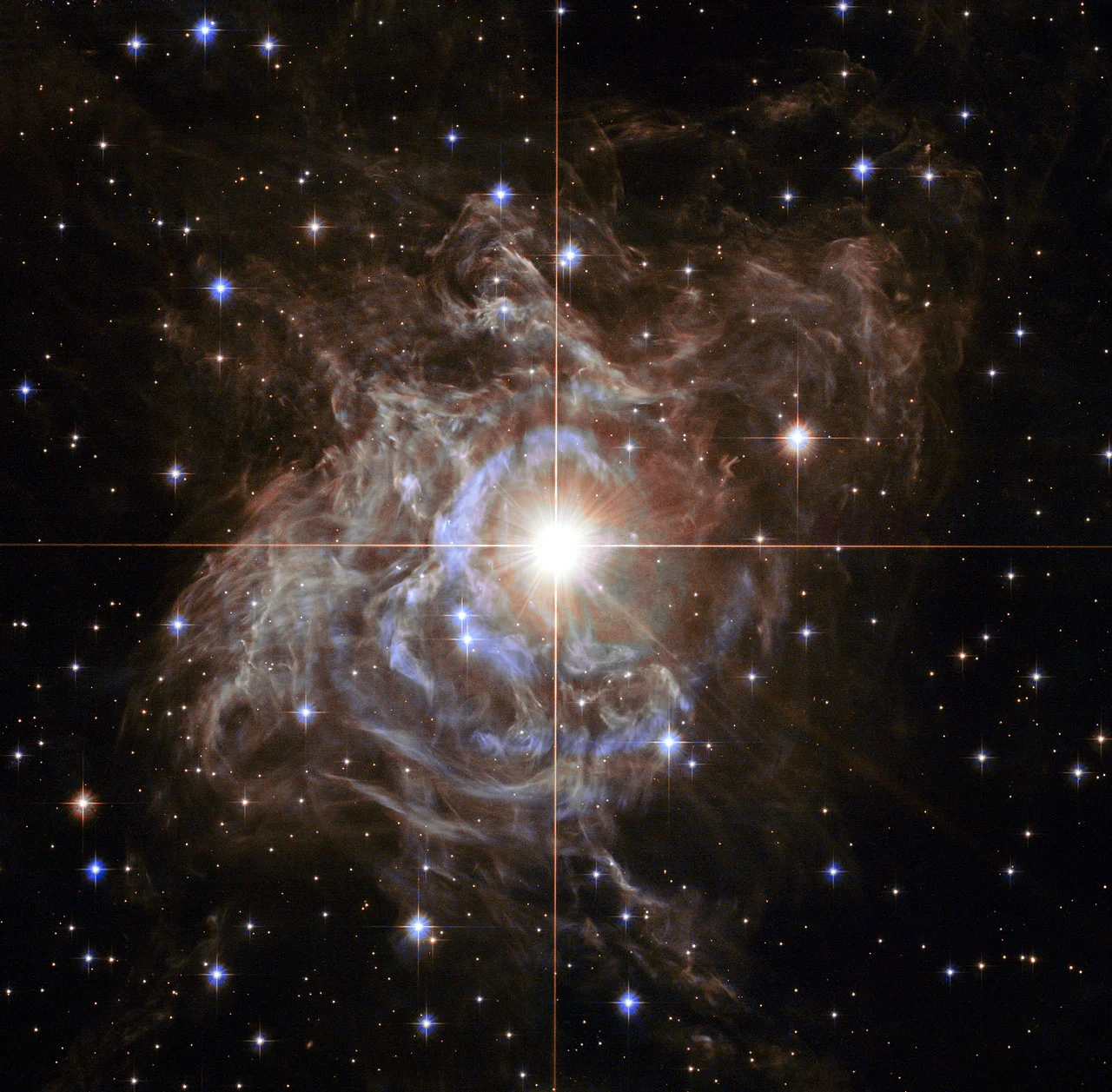
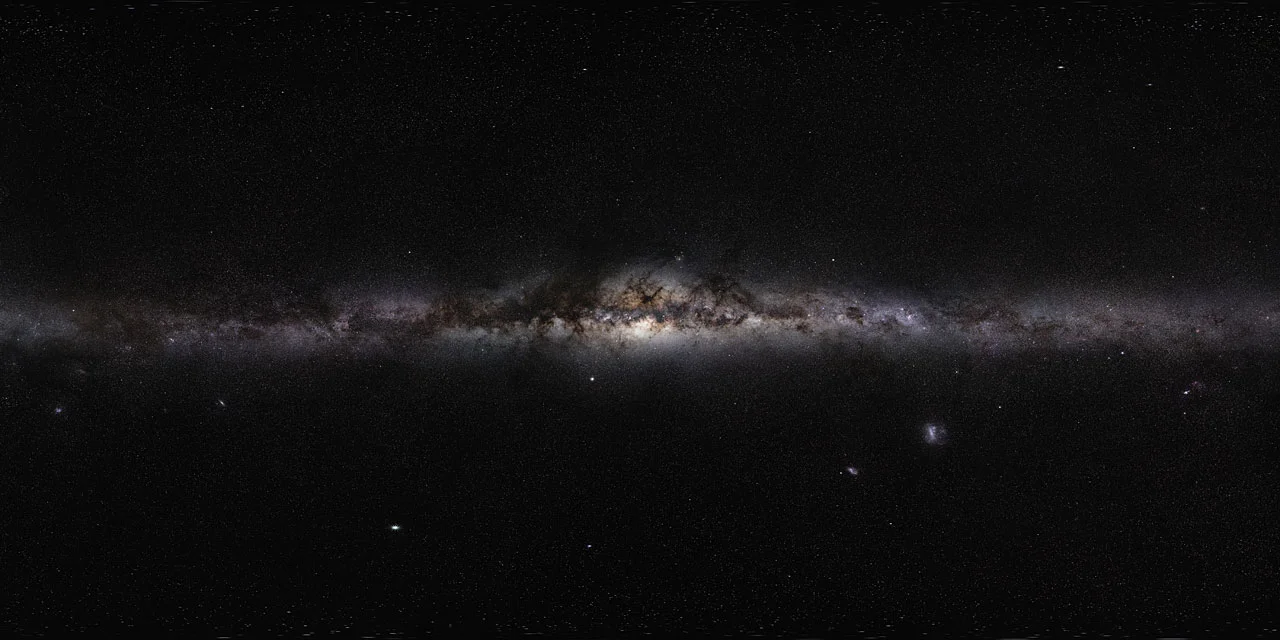
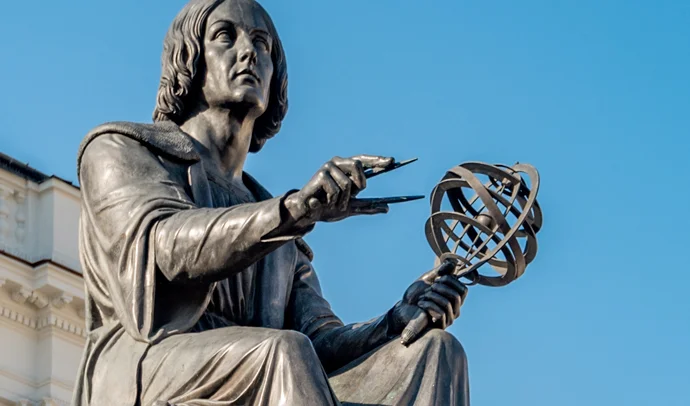
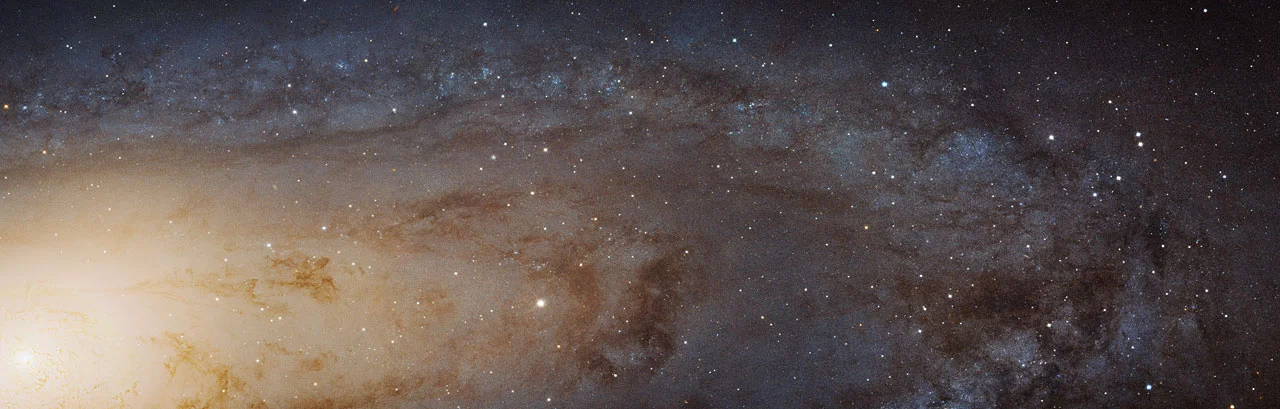
tag #cosmology 9 reading cards on “cosmology”, in chronological order. Part of the full archive. 2026-05-26 The Cepheids How a pulsating star became the ruler of the universe. Some stars do not shine steadily. They swell and contract on a clockwork rhythm — and the rhythm itself, it turns out, tells us how far away they are. 2026-05-08 Fossil Light Astronomy is the only science that cannot observe the present. Every photon that reaches a telescope is news from a moment that has already ended. The further the source, the older the news — and the more the universe in front of us is no longer there. 2026-05-07 A Thought Experiment from the Middle Ages When medieval astronomers reached for the edge of everything. Aristotle insisted the universe ended somewhere. His medieval inheritors tried to imagine reaching past that end — and the question reshaped physics. 2026-05-07 The Great Revolution How Kepler and Galileo dismantled fourteen centuries of cosmic certainty. Two men, working in different countries with different tools, finished what Copernicus had only begun. Within a single year — 1609 — the heavens stopped being a closed sphere and became something measurable. 2026-05-07 How Much Does a Galaxy Weigh? The question is poorly posed — and the answer is stranger than the question. There is no scale large enough to weigh a galaxy. The methods we have invented instead reveal that most of the answer is something we cannot see. 2026-05-07 The Cosmic Distance Ladder Measuring the universe — one rung at a time. Astronomy began as the art of estimating how far things are. The trick is that no single method works at every scale — so we built a ladder. 2026-05-07 The Mystery of the Milky Way Mapping a city from inside a foggy window. We have always lived inside the Galaxy, never outside it. Drawing its map has been like sketching a metropolis from a single window — and the picture is still unfinished. 2026-05-07 The Legacy of Copernicus Five centuries of demotion — from the centre of creation to the periphery of a spiral arm. For fourteen centuries the Earth sat at the centre of everything. The book that displaced it was printed the year its author died — and what it began still has not finished. 2026-05-06 The Andromeda Galaxy The nearest thing to a mirror the Milky Way has. The brightest object beyond the Milky Way visible to the unaided eye looks like a smudge of light. It is also the only galaxy heading our way — and we have an appointment.