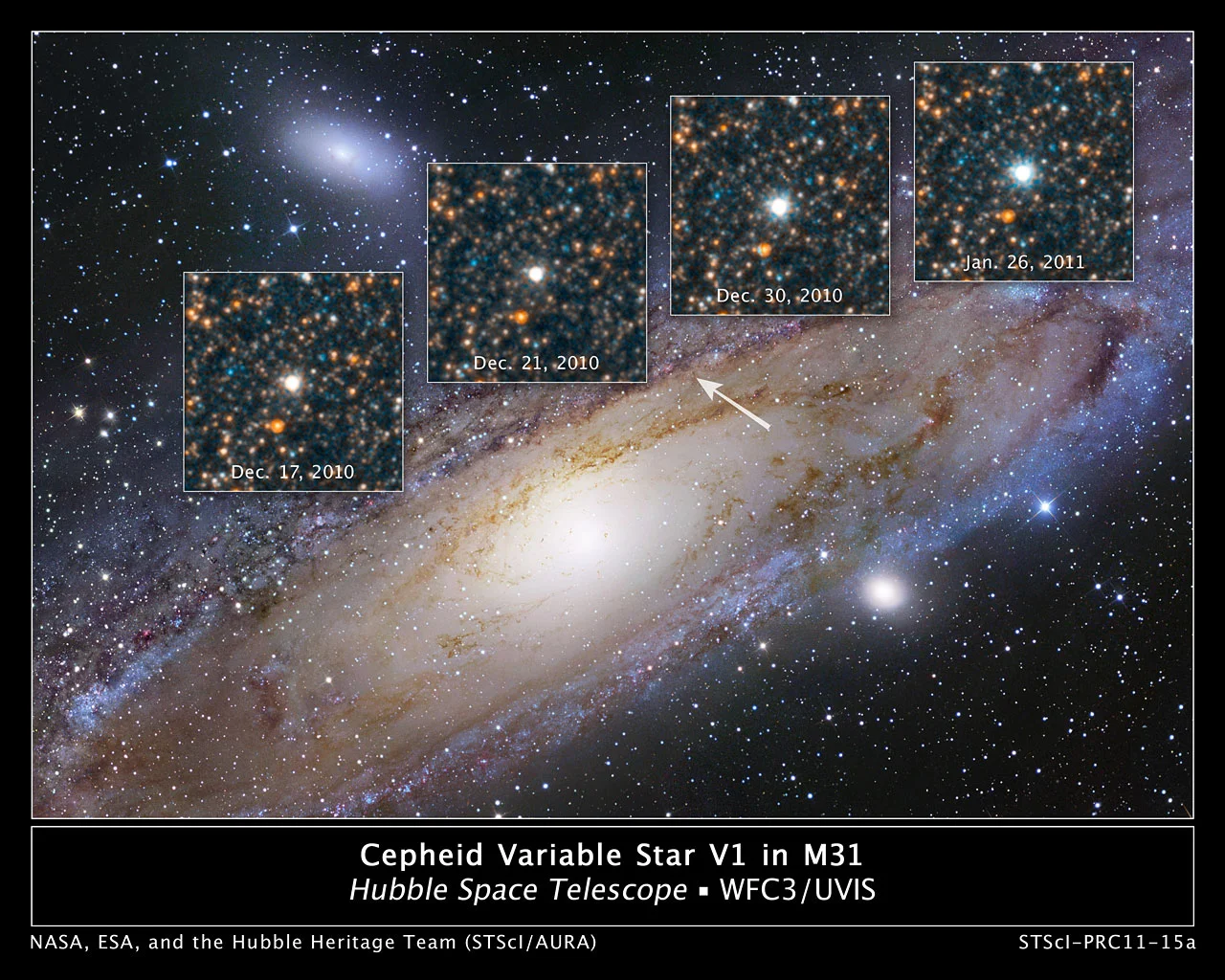
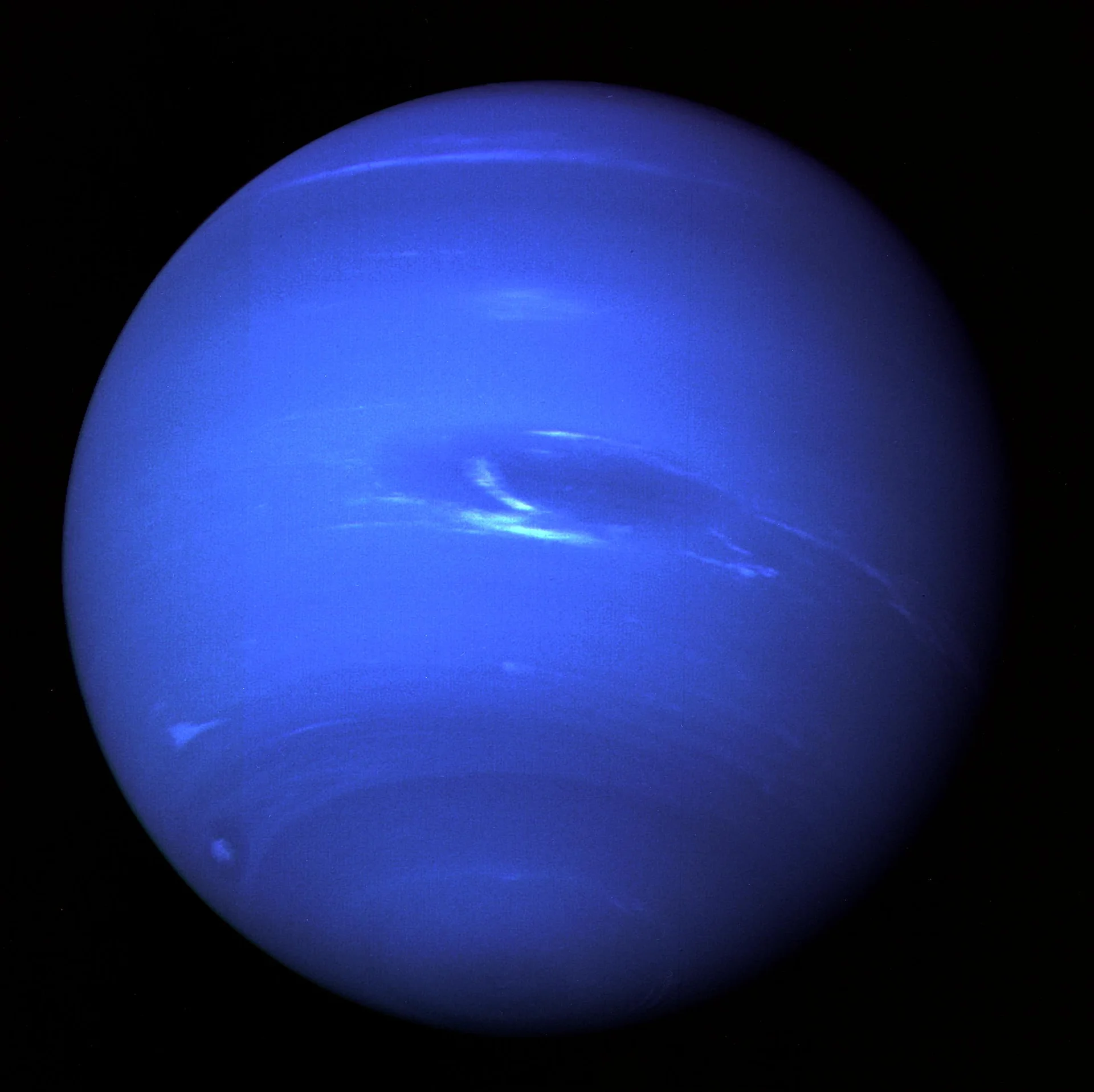
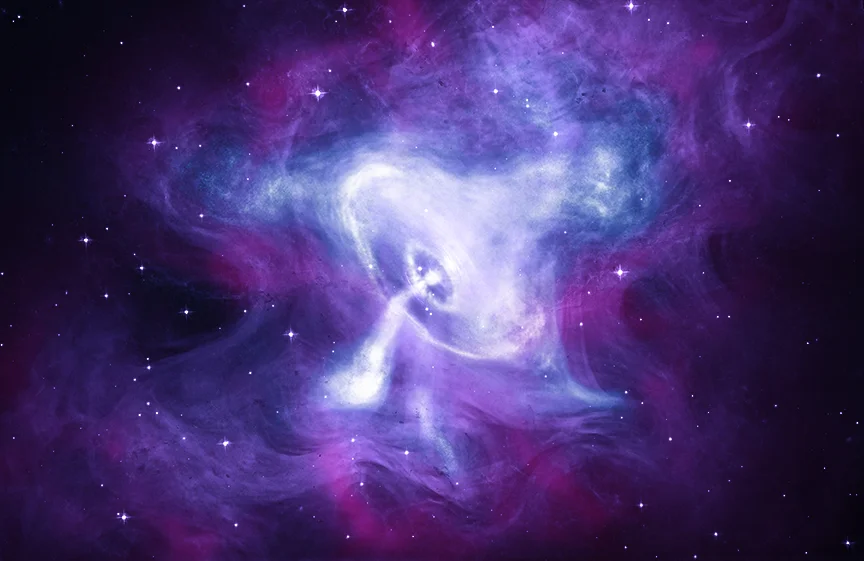
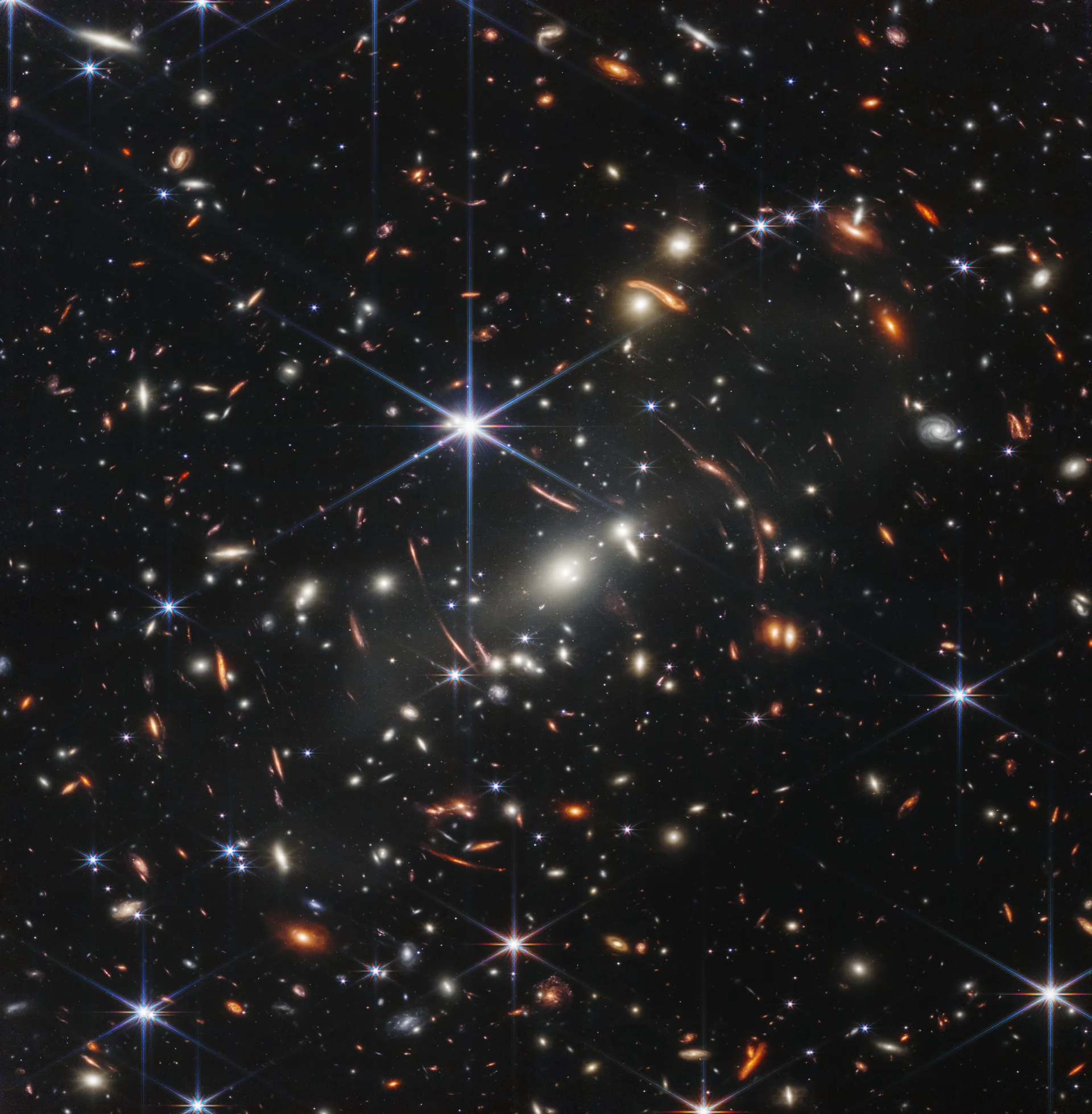
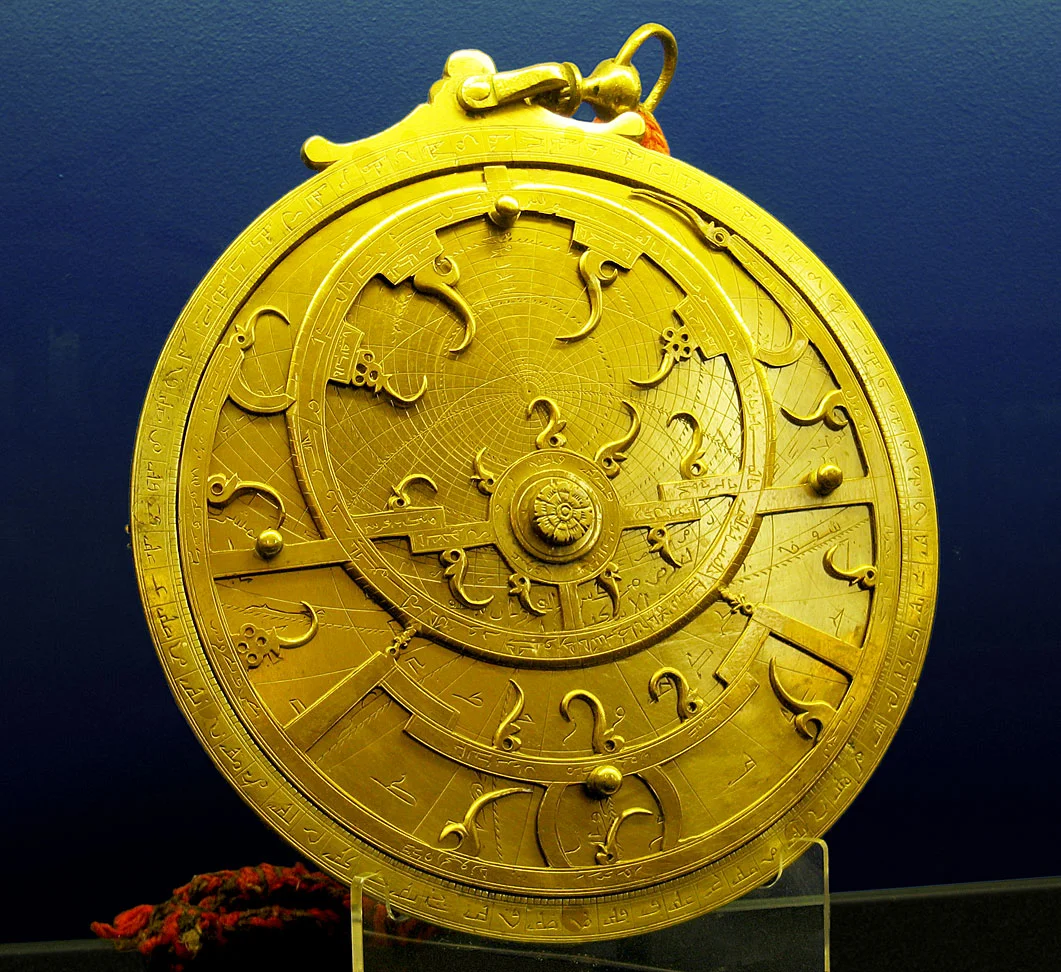
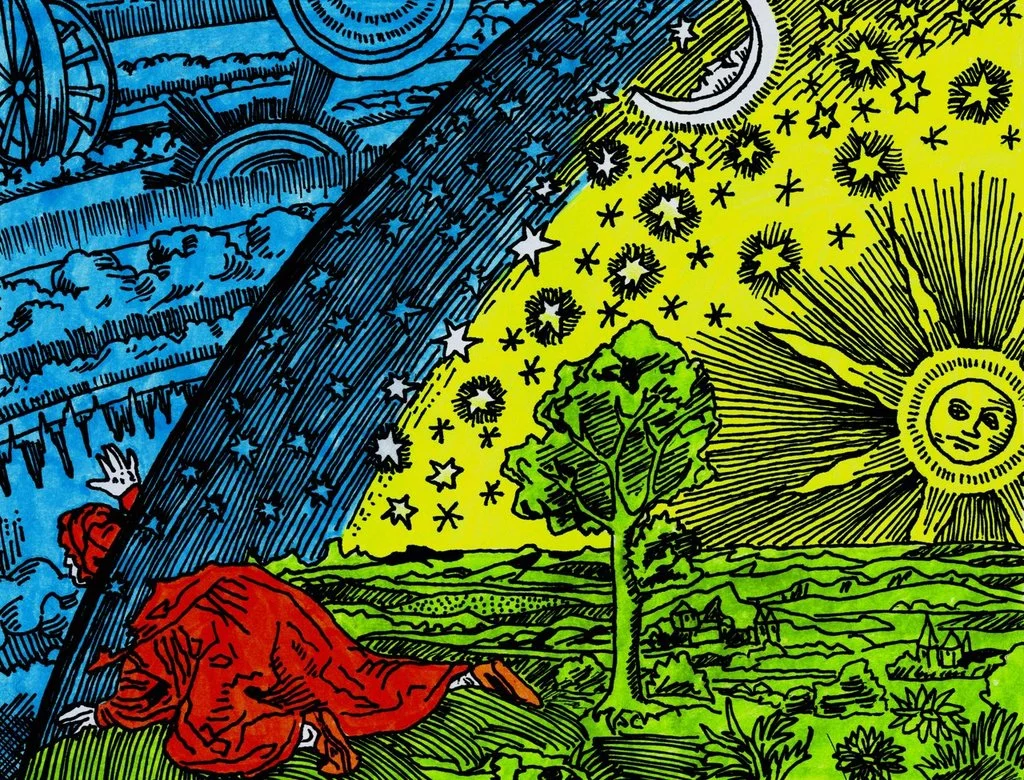
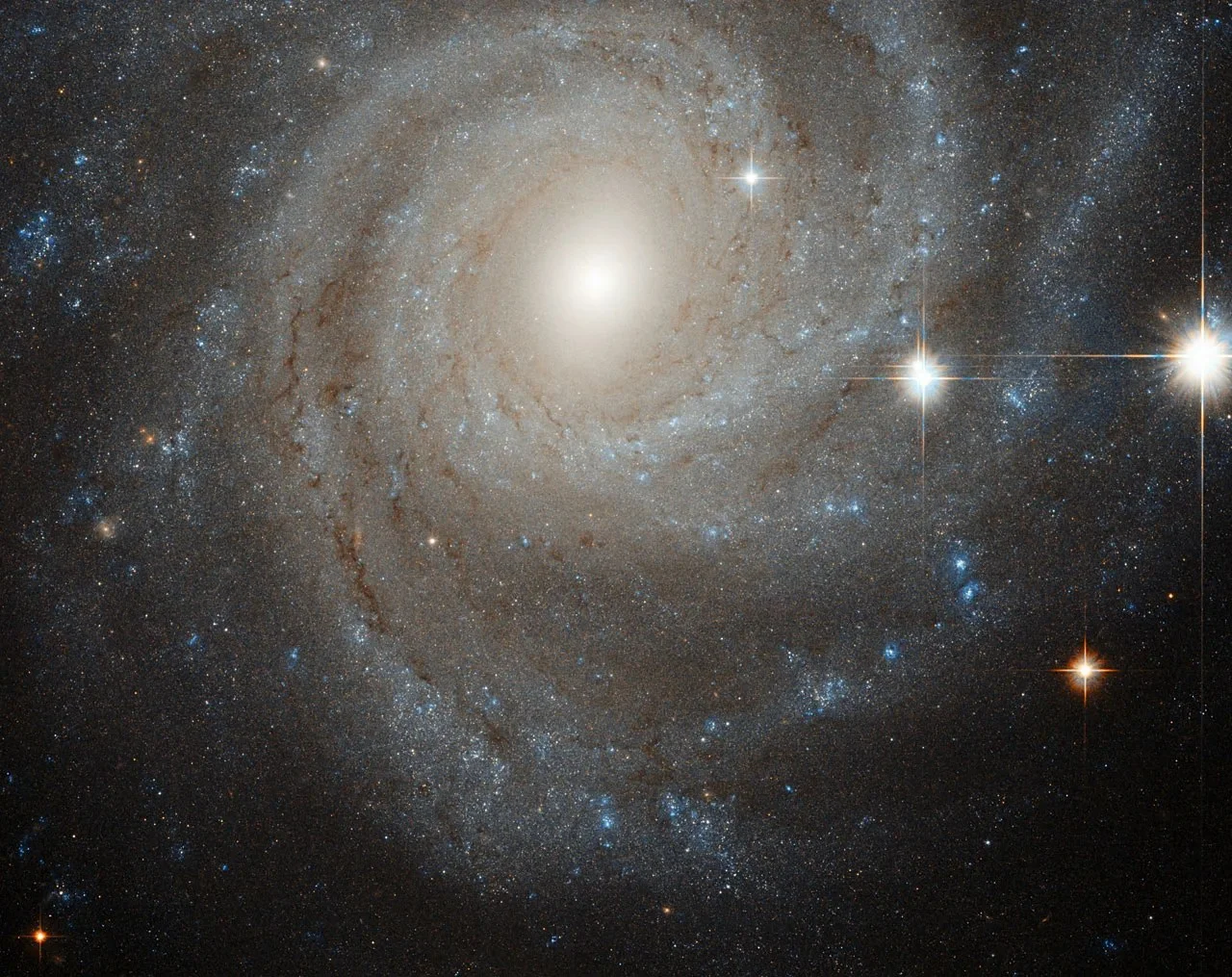
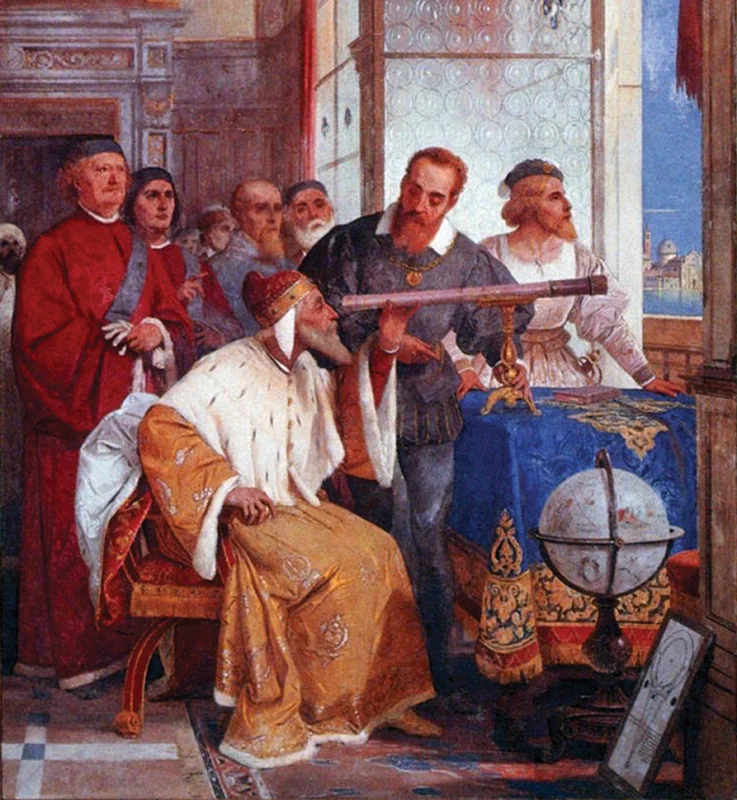
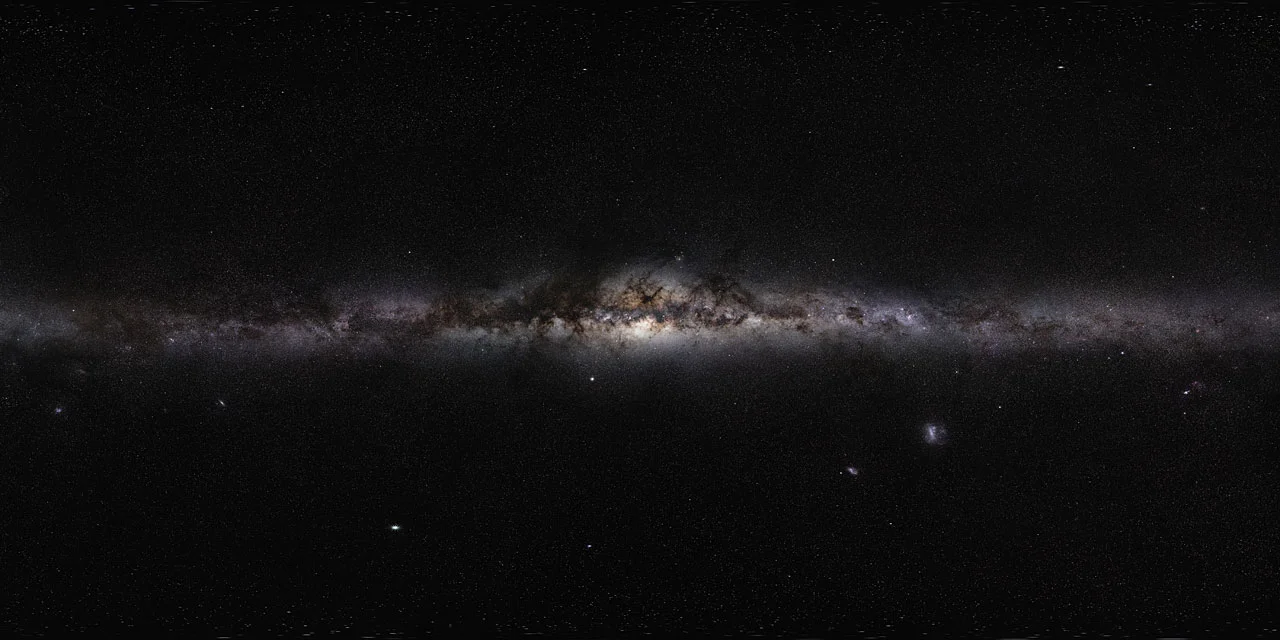
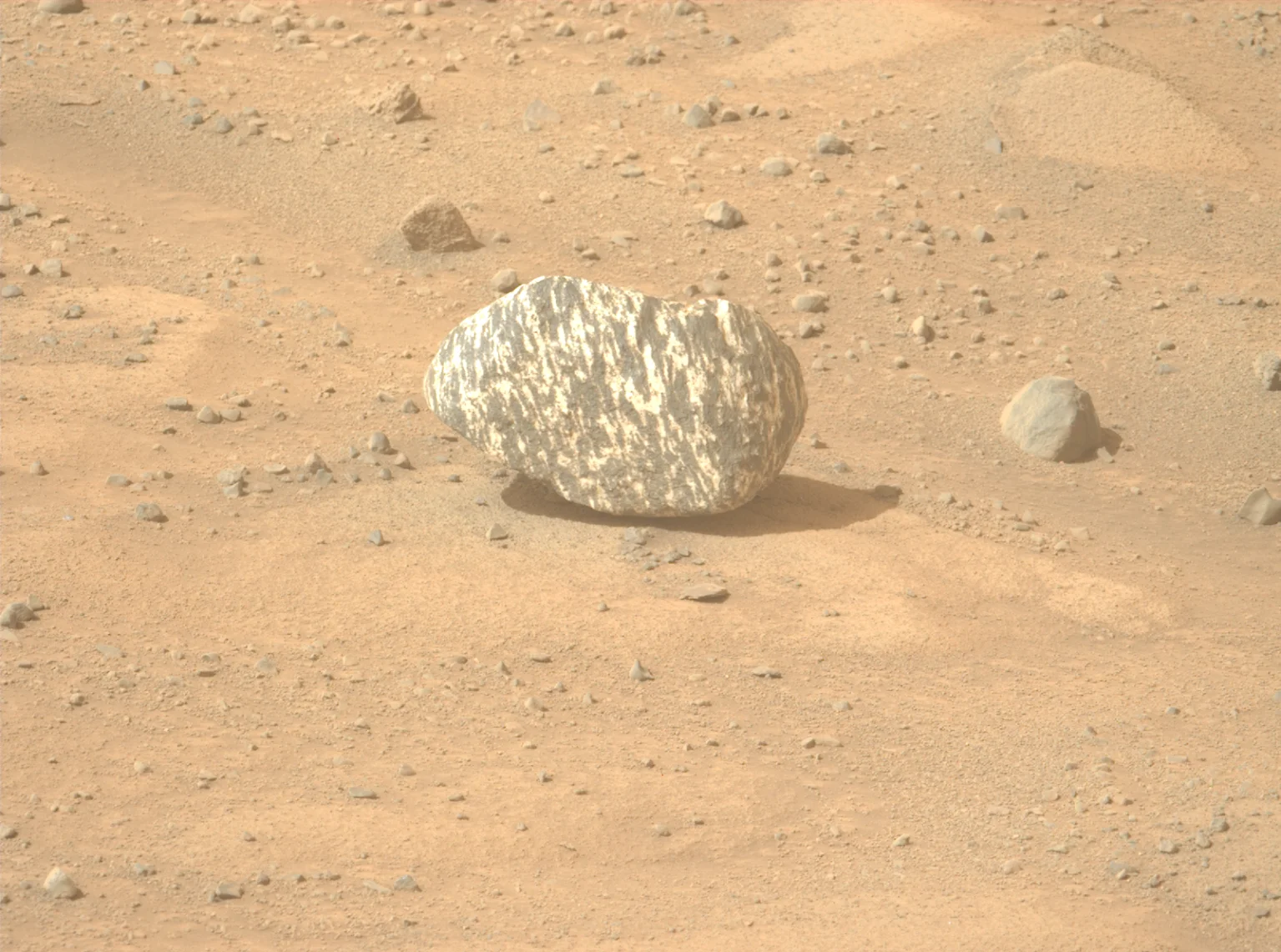
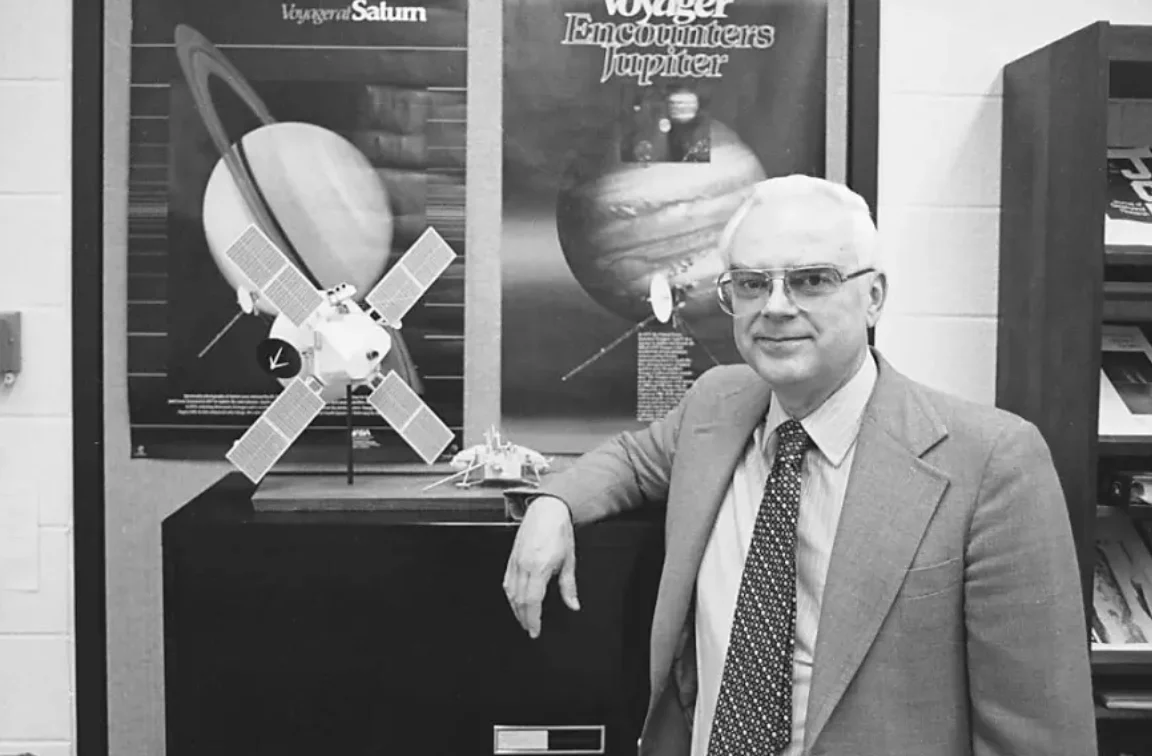
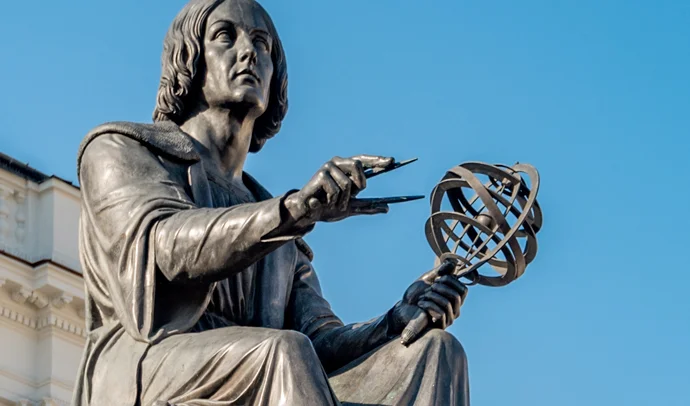
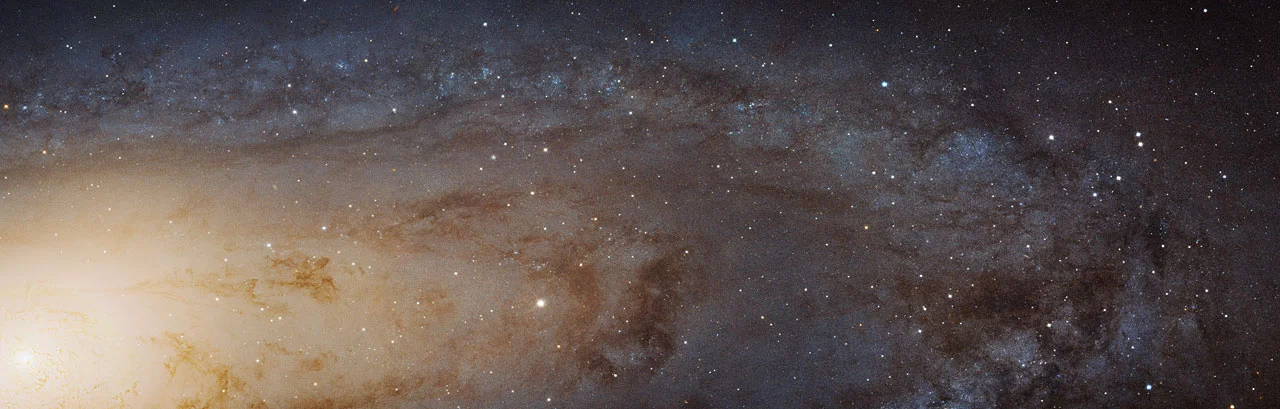
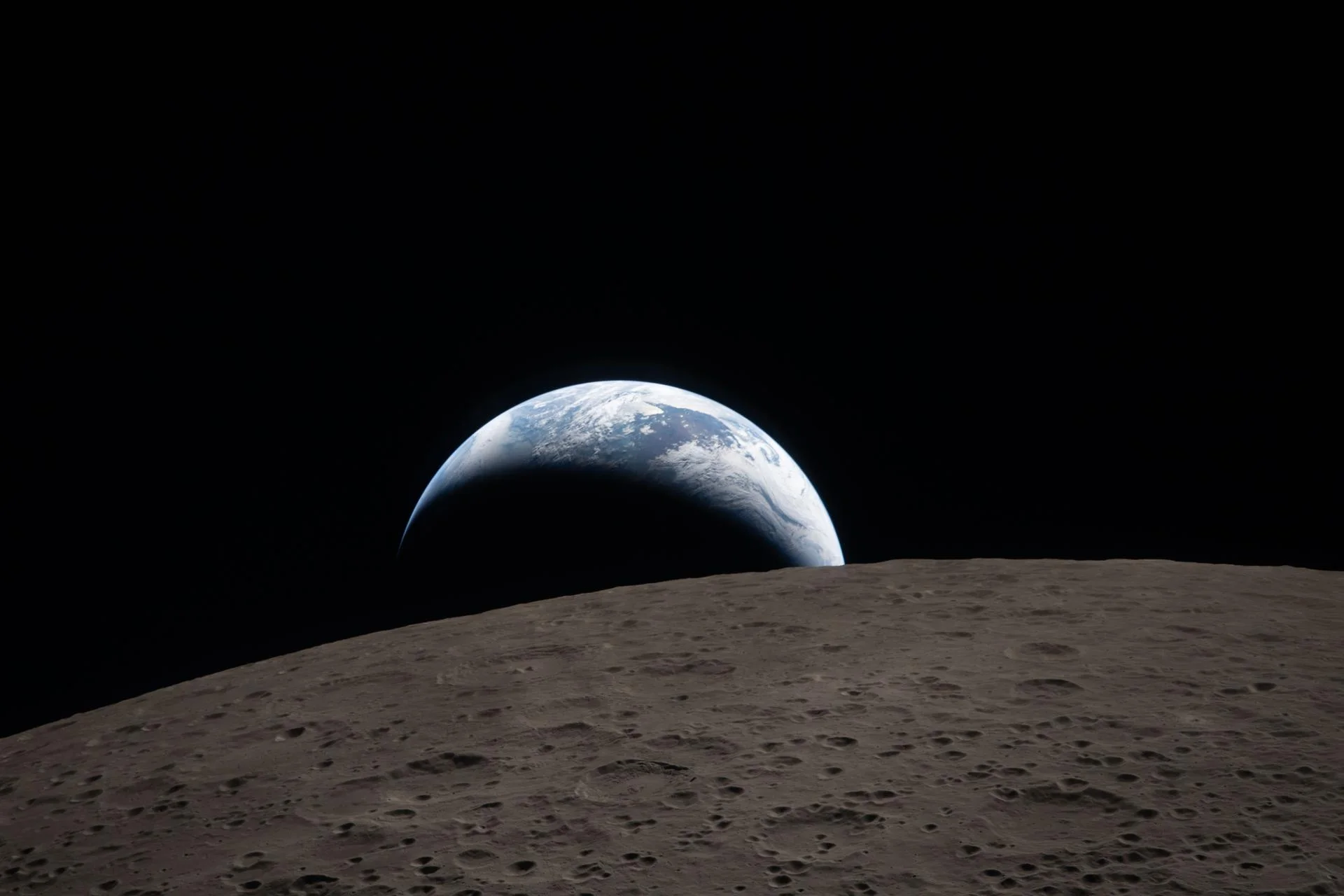
tag #history 15 reading cards on “history”, in chronological order. Part of the full archive. 2026-05-26 The Cepheids How a pulsating star became the ruler of the universe. Some stars do not shine steadily. They swell and contract on a clockwork rhythm — and the rhythm itself, it turns out, tells us how far away they are. 2026-05-14 Neptune The planet that was found with the point of a pen. In the summer of 1846, a French mathematician who had never looked through a telescope wrote a letter to Berlin, telling a German astronomer exactly where to point one. That night, a new planet appeared — within one degree of the predicted position. It was the first world in history discovered not by sight, but by pure mathematics. 2026-05-12 The First Pulsar A signal that should not have existed. In the summer of 1967, a twenty-four-year-old graduate student in Cambridge found a rhythm buried in the radio noise — sharp, cold, perfectly repeating every 1.337 seconds. For weeks, no one could explain it. They half-jokingly labelled it LGM-1: Little Green Men. 2026-05-09 The Slow Crossing What an interstellar voyage would actually require, with the technology we have today. It is not a hypothetical that has aged badly. The nearest other star is 4.24 light-years away, and the question of how long the trip would take, with what we actually have, returns an answer that almost no fiction has been honest about. 2026-05-08 Fossil Light Astronomy is the only science that cannot observe the present. Every photon that reaches a telescope is news from a moment that has already ended. The further the source, the older the news — and the more the universe in front of us is no longer there. 2026-05-07 The Astrolabe The Renaissance computer that fitted in the palm of your hand. Before there were watches, before there were sextants, there was an instrument that told you the time, your latitude, the position of the stars, and — if you were Muslim — the direction of Mecca. It fit in the palm of your hand. 2026-05-07 A Thought Experiment from the Middle Ages When medieval astronomers reached for the edge of everything. Aristotle insisted the universe ended somewhere. His medieval inheritors tried to imagine reaching past that end — and the question reshaped physics. 2026-05-07 Cosmic Pinwheels A field guide to the shapes of galaxies. The first time someone tried to put galaxies in alphabetical order was 1926. The order has changed remarkably little since. 2026-05-07 The Great Revolution How Kepler and Galileo dismantled fourteen centuries of cosmic certainty. Two men, working in different countries with different tools, finished what Copernicus had only begun. Within a single year — 1609 — the heavens stopped being a closed sphere and became something measurable. 2026-05-07 The Mystery of the Milky Way Mapping a city from inside a foggy window. We have always lived inside the Galaxy, never outside it. Drawing its map has been like sketching a metropolis from a single window — and the picture is still unfinished. 2026-05-07 Stones from Mars How we proved that pieces of the Red Planet have been falling to Earth all along. There are stones in our museums whose journey began on another world. The proof took twenty years to assemble — and one decisive measurement of trapped gas. 2026-05-07 Frank Drake ... Thank You The man who dared to listen — and taught us how to ask the right question. In 1960 a young astronomer pointed a radio telescope at two nearby stars and listened. He heard nothing. The act of listening, however, changed everything. 2026-05-07 The Legacy of Copernicus Five centuries of demotion — from the centre of creation to the periphery of a spiral arm. For fourteen centuries the Earth sat at the centre of everything. The book that displaced it was printed the year its author died — and what it began still has not finished. 2026-05-06 The Andromeda Galaxy The nearest thing to a mirror the Milky Way has. The brightest object beyond the Milky Way visible to the unaided eye looks like a smudge of light. It is also the only galaxy heading our way — and we have an appointment. 2026-05-06 Artemis II Fifty-four years of silence, then an Earthset. Half a century after Apollo 17, four astronauts boarded a spacecraft pointed at the Moon — and discovered the silence behind it had been waiting for them.